Director of Diplomacy, Representative to UN Geneva & UNESCO, World Jewish Congress
Opening Our Doors to UN Diplomats from Around the Globe
In the years since I have been cooperating with ambassadors and diplomats from all over the world in major multilateral hubs, including Geneva and Paris, I have come to the realization that many in the international community are not fully aware of the basics of Judaism or Jewish history. Some have never visited a synagogue. Others have never had a Jewish friend, to sit down and discuss different topics in an open atmosphere. Ensuring accessibility to new information and safe spaces for learning are essential if Jewish communities worldwide want to develop new alliances and strengthen old ones. This is particularly true in the post-October 7th reality.
As part of its work to bridge this gap, the World Jewish Congress hosted a visit for diplomats and UN officials to Geneva’s main synagogue, Beth Yaacov—the spiritual home of the city’s Jews. The visit was organized on the occasion of the European Day of Jewish Culture together with the Jewish Community of Geneva, in partnership with the UN University for Peace and the UN Geneva Interfaith Dialogue Group, and supported by the Alfred Landecker and Hans and Berthold Finkelstein Foundations.
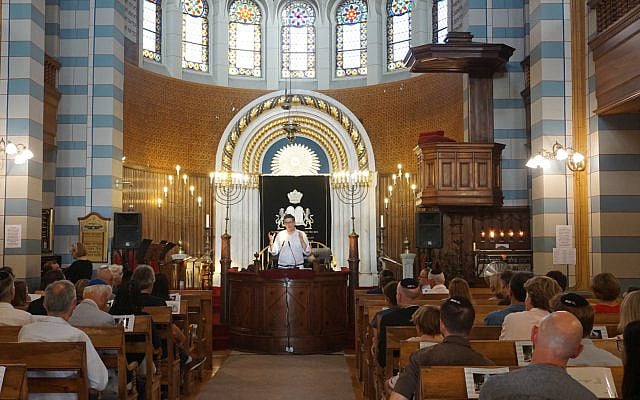
More than 80 diplomats from 30 countries came on a Sunday afternoon, some with their families and children, to visit the synagogue, learn about Judaism, the Jewish community and Jewish life, and interact with community officials and the rabbi over a glass of wine. The visitors were enchanted. Many walk by the synagogue daily or even live in its vicinity but had never entered the building before.
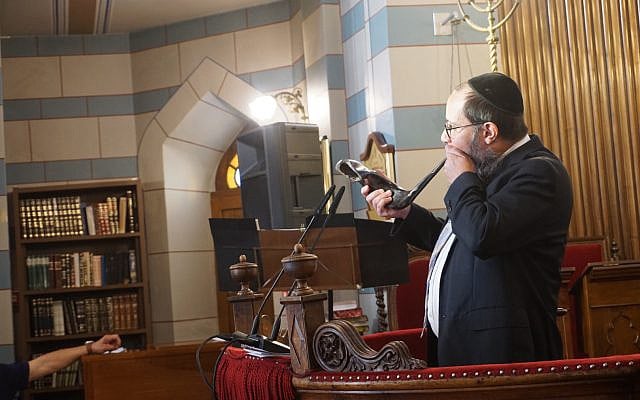
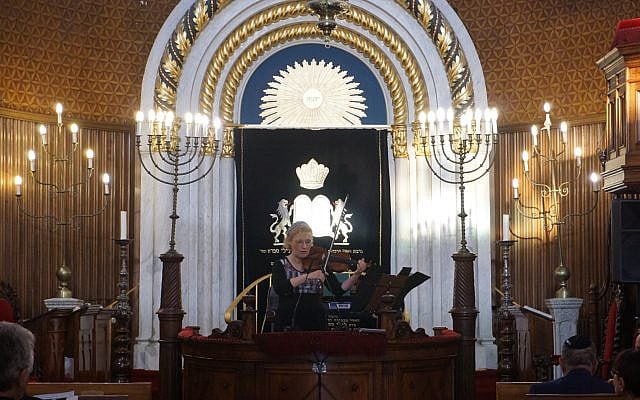
The gathering provided an opportunity to promote greater understanding of the history, heritage, and tradition of Geneva’s Jewish community, encouraged an open and engaging discussion, inviting participants to learn more about Geneva’s Jewish heritage. We learned about the history of the community and the architectural influences of the building; we reflected on the approaching High Holidays and the symbolism of the shofar, the ram’s horn, and heard its three principal calls; we heard a violin performance, with songs related to the Jewish High Holidays. And, critically, we invited the audience to ask any questions they wanted, both during the event, and to speakers directly on the sidelines.
As they left, each participant received a small jar of honey in the Jewish New Year tradition, symbolizing the aspiration for a sweet and hopeful year ahead. The WJC will continue to engage with the diplomatic community in important international centers throughout the year and organize events that mark important dates in the Jewish calendar.
Related Topics