
Risks of Premature Palestinian Recognition
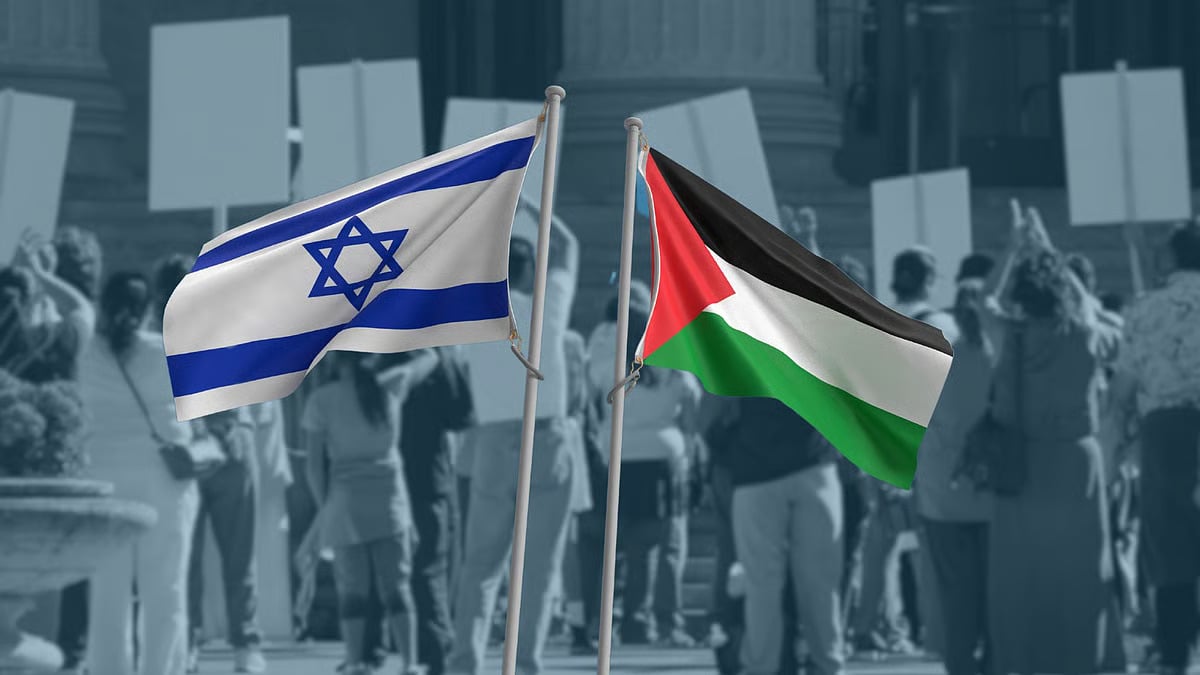
A rush to recognition is emotionally understandable. After decades of stalled talks, mounting civilian suffering and the spectacle of a people denied basic statehood, a formal diplomatic nod feels like justice corrected. But the act of recognizing a Palestinian state before a negotiated peace will not be merely symbolic; it will reshape diplomacy, law, security and incentives in ways that risk hardening the very divisions recognition is meant to soothe.
First, the legal and diplomatic landscape. Palestine already enjoys a significant degree of international recognition: as of 2025 roughly three-quarters of U.N. member states recognize the State of Palestine, and the Palestinians were granted non-member observer state status at the U.N. in 2012. Those facts give recognition currency — it is not an empty gesture.
But recognition by additional Western powers — especially EU/G7 states — carries distinct practical consequences. When countries like France, the UK and others publicly discuss recognizing Palestine, they are not only conferring legitimacy; they are shifting the baseline for bilateral relations with both Israel and the Palestinian authorities. That shift can trigger immediate diplomatic fallout: downgraded ties with Israel, emergency lobbying, and pressure to respond in kind — including unilateral Israeli measures on the ground. Israeli officials have warned that unilateral recognition could “destabilize the region” and prompt retaliatory or pre-emptive policies.
Second, the politics of incentives. Peace in the Israeli–Palestinian context has always been about bargains — territory for security guarantees, recognition for settlement freezes, statehood for final-status arrangements. If international actors grant statehood unilaterally, they risk short-circuiting the bargaining table. That can produce two perverse incentives: first, actors inside Palestine who favor maximalist outcomes may be strengthened, believing that international validation substitutes for hard compromises; second, hardliners inside Israel may be empowered to take unilateral measures (annexation, settlement expansion couched as “security measures”) in response. Both outcomes reduce trust and space for negotiation. Commentators and policymakers have warned that recognition now could make it “harder” to reach a negotiated end to conflict and could be used by armed groups to claim political wins for violence.
Third, the security and humanitarian dimension. Recognition does not create a functioning state overnight. The West Bank and Gaza remain divided politically and institutionally; governance capacity is uneven; law enforcement and civil institutions are fragile. Recognizing a state before those institutions are meaningfully in place risks creating a diplomatic status without the apparatus to manage it — leaving a vacuum that non-state armed actors can exploit and civilians to bear the cost. In other words: a title without the institutions to protect residents’ lives and rights can become an accelerant of instability rather than a remedy.
Fourth, the regional diplomatic calculus. Recognition by major European states is not an isolated act — it interacts with Arab states’ policies, U.S. strategy, and broader geopolitics. Recent moves in Europe are driven by frustration with the status quo and humanitarian outrage; but unilateral European recognition can complicate U.S. mediation efforts and fragment coordination among allies. Israel’s partners may find themselves forced to choose between supporting a negotiated two-state framework and responding to domestic and international calls for immediate recognition. That choice can weaken unified pressure for concrete steps that improve Palestinian lives on the ground (humanitarian corridors, reconstruction, prisoner releases) while inflaming diplomatic tensions.
Does this mean recognition should never happen? No. There is a powerful moral and legal argument for recognizing Palestinian rights and statehood — and international recognition can advance Palestinian access to international institutions and courts. But timing and sequencing matter. Recognition carried out as part of a coordinated diplomatic strategy — tied to concrete, enforceable steps by both sides and backed by security guarantees, institution-building aid, and accountability mechanisms — will be far more likely to produce a durable peace than recognition treated as a moral stand alone.
If Western governments feel compelled to act now, here are three practical guardrails they should adopt to reduce harm:
1. Coordinate, don’t solo. Recognition should be part of a multilateral package — ideally within an EU-wide or UN framework — that includes mechanisms for de-escalation, humanitarian assistance, and a roadmap back to negotiations. Fragmented, country-by-country moves magnify the shock and invite asymmetric responses.
2. Tie recognition to concrete obligations. Make recognition contingent on clear benchmarks: restoration of unified Palestinian governance structures, commitments to protect civilians and prosecute abuses, and reciprocal Israeli measures (e.g., freeze on settlement expansion, tangible steps to enable Palestinian economic life). Recognition should unlock assistance and institutional access — not leave it to symbolism alone.
3. Simultaneous security and reconstruction investments. State recognition should be accompanied by a major, internationally backed plan to build policing, judiciary and public service capacity in Palestinian territory, plus credible security arrangements to prevent predatory actors from filling vacuums.
Recognition of Palestine can be a force for justice — but only if it is married to the hard, boring, expensive work of making statehood real and sustainable. Otherwise, we risk trading a moral headline for a strategic misstep that hardens positions, empowers spoilers, and prolongs suffering. If the international community wants a Palestinian state that lasts, it must not confuse the applause line with the finish line.