
Rushed Inquiries Won’t Protect Australian Jews.
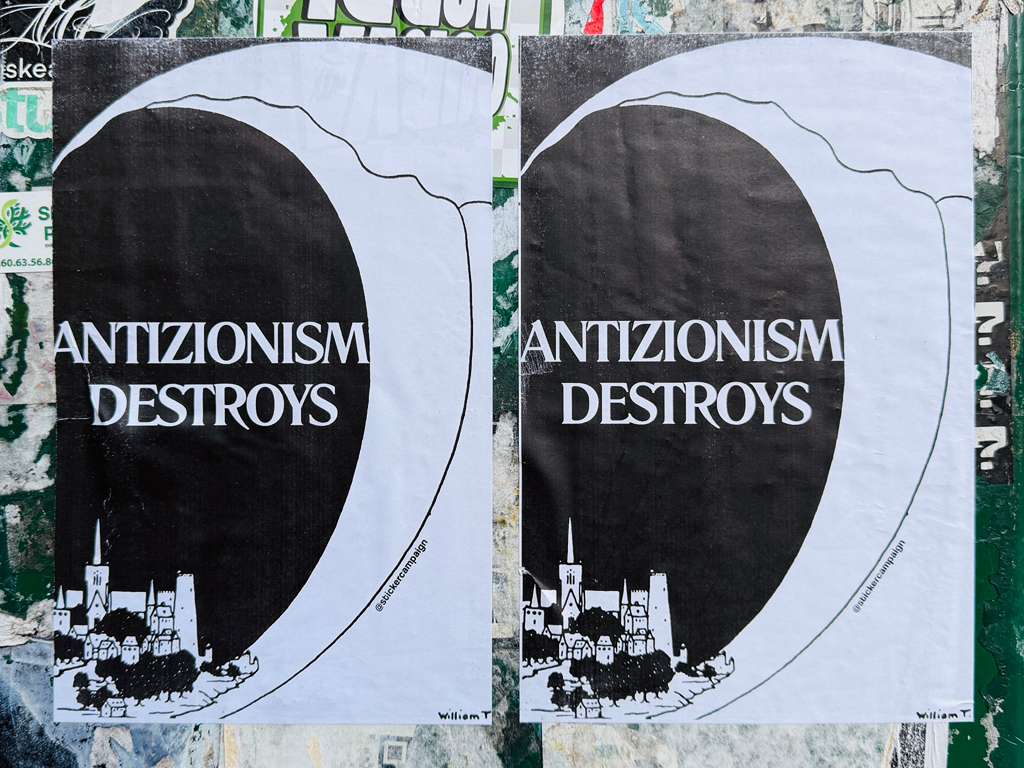
While the Jewish community in Australia is still reeling, the New South Wales Government has quietly opened a short-notice parliamentary inquiry into “measures to prohibit slogans that incite hatred and threaten community safety.” It opened on 22 December and closes on 12 January. It runs straight through the holiday period. And although all submissions will technically be accepted, only submissions from organisations and recognised experts will be published. This is not a serious response to a serious problem. It is process dressed up as action.
Jewish organisations are exhausted. They are dealing with security threats, traumatised communities, burned-out staff, internal strain, and a level of hostility that most Australian Jews never imagined they would face. This is not the moment to expect them to drop everything and rush to produce formal parliamentary submissions on an arbitrary timetable. They should be focused on keeping people safe, supporting their communities, and holding themselves together. Instead, responsibility is once again being pushed back onto the very community that has been targeted.
This pattern is familiar. There is delay, then deflection, then a tightly framed inquiry that creates the appearance of action while avoiding deeper accountability. Jewish organisations are asked again to explain, document, and justify the hatred directed at them, usually at short notice and under pressure. These exercises exhaust people. They fragment responses. And they ensure that institutional failure is never properly examined. All of this is happening while many established Jewish organisations are still struggling to confront a central reality: the dominant form of contemporary Jew hatred in Australia is antizionism, not classical antisemitism. That distinction matters. If the problem is misdiagnosed, every response will be inadequate.
The slogans, protests, intimidation and ideological campaigns that have become normalised over the past two years are not about ancient stereotypes or fringe conspiracy theories. They are about denying the right of Israel to exist. And because Zionism is simply the right of Israel to exist as a country, this denial inevitably targets Jews. We have already seen the consequences of that.
Yet instead of grappling with this directly, governments reach for procedural fixes: narrow inquiries, rushed consultations, symbolic gestures. They look busy, but they avoid the harder work of examining how institutions failed to act, failed to listen, and failed to protect Jewish Australians.
That is why another parliamentary inquiry will not fix this. What is needed is a Royal Commission. Not because it sounds dramatic, but because it is the only mechanism with the independence, powers and transparency required to examine what has actually gone wrong. Only a Royal Commission can compel evidence, scrutinise institutional behaviour, and test whether failures were accidental, ideological, or systemic. This is not about one slogan or one protest. It is about a pattern: minimising anti-Jewish harm, refusing to name antizionism as a driver of contemporary hatred, outsourcing responsibility to Jewish organisations, and wearing down community resilience through endless process. Australian Jews do not need more submission portals. They need accountability.
This is not only a Jewish issue. When calls for the destruction of a country are tolerated and when people openly deny the right of a nation to exist, violence does not stay contained within one community. That kind of rhetoric normalises extremism, undermines public safety, and damages social cohesion for everyone. A rushed parliamentary inquiry does not protect anyone. A Royal Commission is required for the safety of all Australians.