
Sharm El Sheikh: We returned in ways never imagined
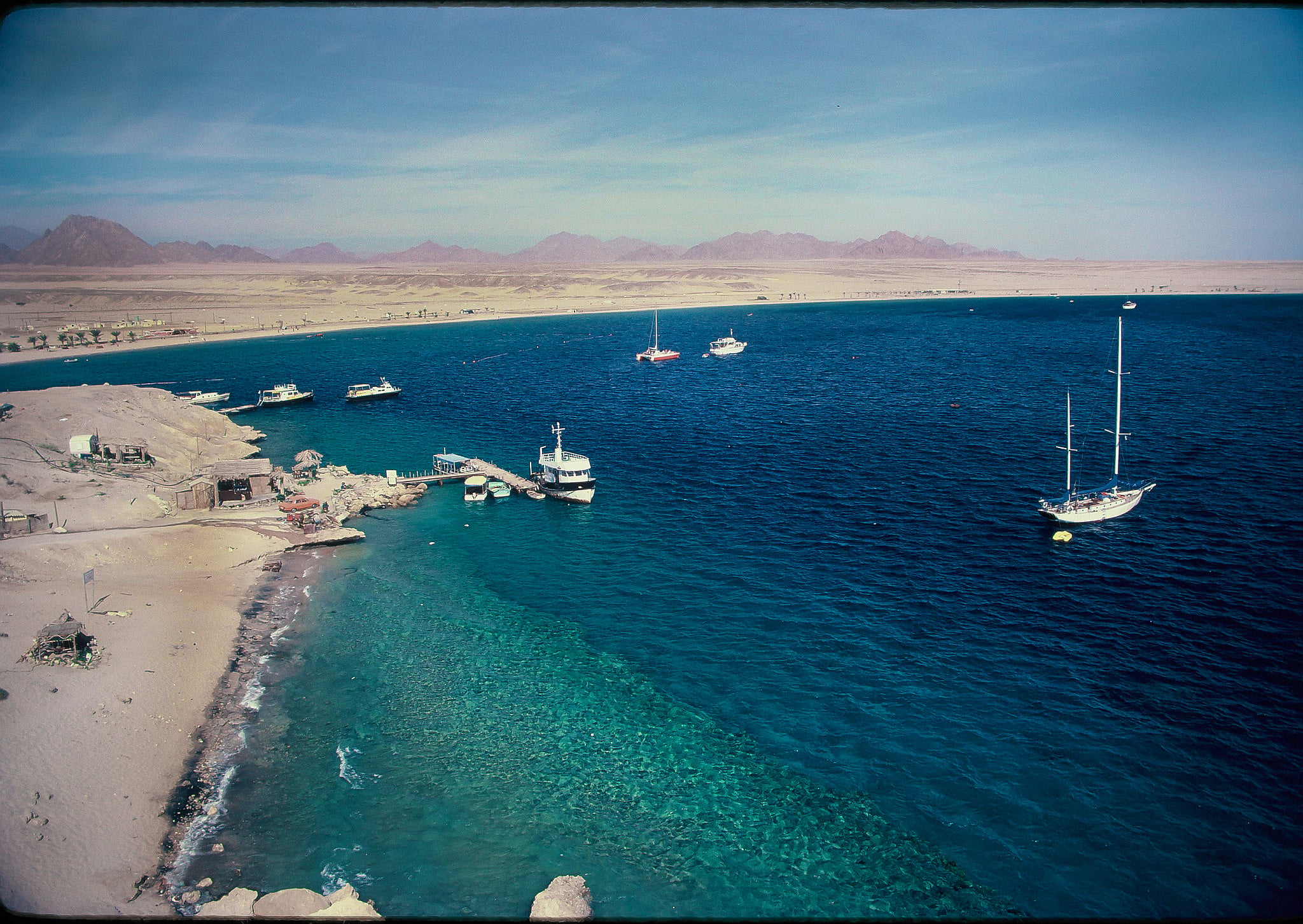
This last Shabbat I spent Seudah Shelisheet sitting around an expansive table, singing z’mirot, our songs as Shabbat was coming to a close. We looked at the Israeli song “Sharm El-Sheikh, We Have Come Back Again,” and all of a sudden that song, and its deep meaning, hit me tenfold.
As we know, the song was written after the 1967 Six-Day War, with lyrics by Amos Ettinger and music by Rafi Gabay. It quickly became one of the celebratory songs associated with Israel’s capture of Sinai and the strategic town of Sharm el-Sheikh. The melodic refrain captures this yearning and joy at our victorious return:
“You’re Sharm el-Sheikh,
we’ve returned to you once again,
you are in our hearts,
always in our hearts.”
The imagery in the song paints a picture of Sinai, the desert that blossoms at its coral beaches, sprinkled with fishing boats, and the sunset over the water:
“The evening sets, bringing another dream…
a hope for peace upon the water.”
Thinking back to the previous century, the early war of 1967 was a time when the song represented a moment of euphoric national relief. Israelis felt they were facing an existential threat and feared annihilation before that war. When the Israeli army reached the southern tip of Sinai, the capture of Sharm el-Sheikh symbolized survival.
And then history performed a reversal. Israel secured itself and its destiny, and with the country’s identity secure, its democracy doubled down on the notion that we make peace with our enemies, not our friends, to borrow from that well-known diplomatic aphorism. As one of the compromises and key points in the Camp David Accords, Israel withdrew from Sinai and returned Sharm el-Sheikh to Egypt. The song shifted. For some, the song that celebrated conquest became an echo of something lost. For many others, the withdrawal demonstrated that real victory was securing peace in exchange for a small parcel of land. But the pursuit of peace often asks a nation to make choices that are both courageous and deeply painful.
The return of land for peace was never a simple decision, nor an easy one. For many, giving up territory carries real pain; it is losing homes, it is the sense of narrowing the physical space from which a nation protects itself, and it is the worry that security might feel more fragile within a smaller footprint. Land for peace asks a people to hold two truths at once: the deep attachment to the land itself, and the enduring hope that relinquishing it might open a path toward something more lasting than war. The tension between those truths does not disappear. It lives on in memory and debate, and the anguish of those choices will continue to echo for years ahead.
Fast forward to the war today with Iran, and this geography is a new focal point in our lives. As the airspace over Israel has been closed for over ten days, this strip of land reflects a deeper victory than ever imagined. Many Israelis, and many global travelers, now have to pass through Sinai on their way into or out of Israel via Egypt in order to catch a flight out of Egypt while Israel is at war. Overnight, symbolically, we imagine that the exchange of this parcel of land has been transformed into a peaceful gateway to the world from a landlocked space under missile attacks. The meaning of the song shifts once more. Coming back to Sharm el-Sheikh now represents a moment to reflect and recognize that enemies can become diplomatic partners, and that collaborative efforts at humanitarian aid can unfold on this small parcel of land.
And so we sing again about coming back to Sharm el-Sheikh, and the song has grown larger than the moment that first gave it voice. Wars are not fought so that war may continue; they are fought so that peace might one day take root. The song remains in our hearts, reminding us that even in times of conflict, we are always moving toward something beyond it. “You are in our hearts” is no longer only a refrain about a place, but about the quiet hope we carry with us. And as the sun sets over the water once more, we look toward what comes next, another dream, another horizon, and still that enduring hope for peace upon the water.