
The conflict has changed. We’re still asking yesterday’s questions
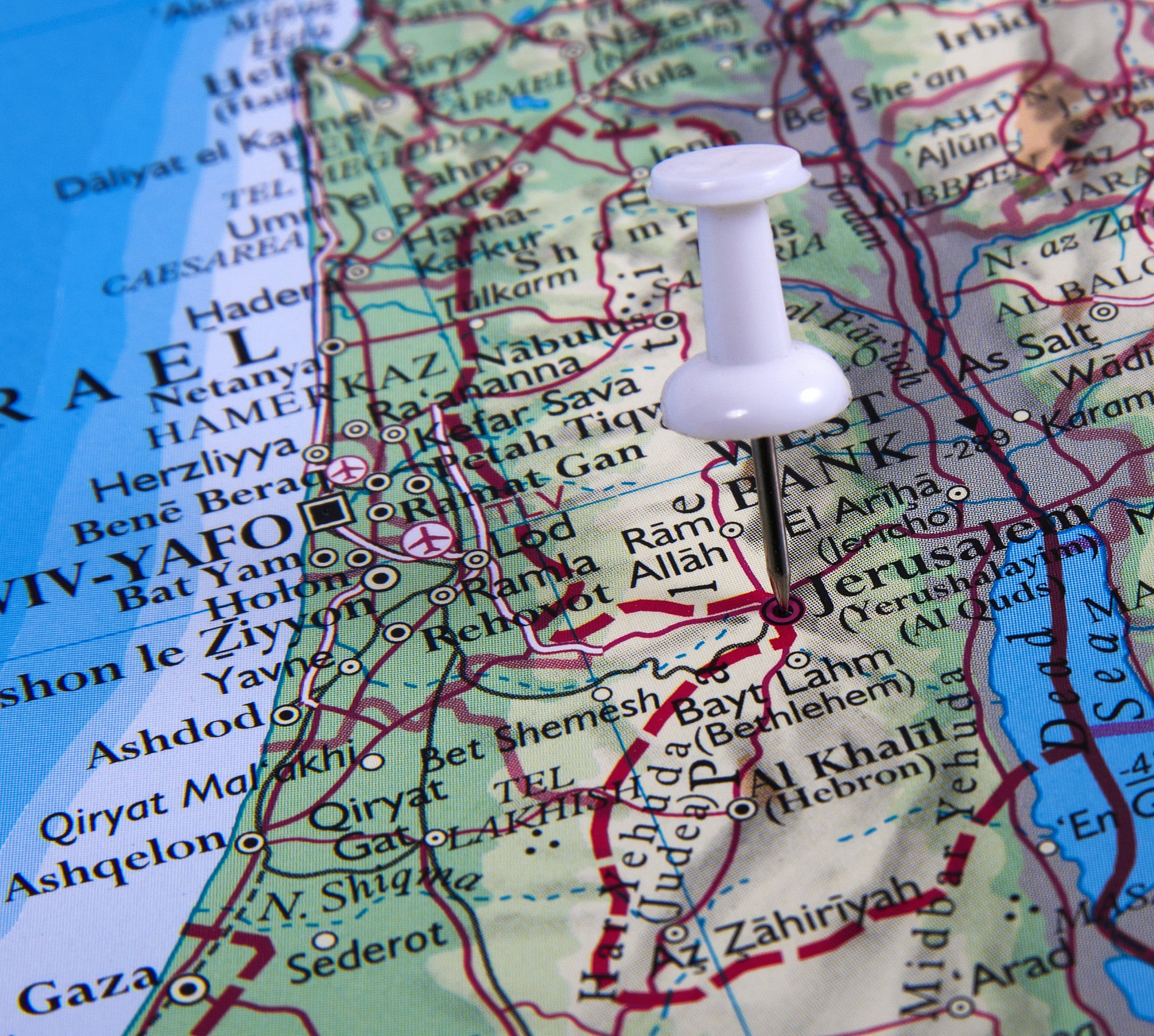
For 50 years, Israeli politics has revolved around the same set of questions:
- Where should our borders run?
- Withdraw from where, or annex what?
- Two states or one?
- Separation or one sovereignty?
When discussing these issues, there is at least one hidden assumption as the basis for the argument, one claim that is clear to us all, so clear that it is never really challenged because it’s just too obvious. It’s got to be true because we have rarely stopped to question it.
Every proposal or arrangement to settle the conflict, regardless of whether it comes from the right, the left or the center, still relates to territory as the central, crucial and defining variable. Whether it’s annexation, two states, unilateral withdrawal or conflict management, the question remains the same: What territory are we talking about? What do we annex, if we annex? Which territory is one state, which is the other? From what territory can we safely withdraw and where exactly should we continue to manage the conflict? The answers differ, but the question remains the same.
Meanwhile, reality has changed substantially: Over the past five decades, settlements, infrastructure, economic integration and security interdependence have gradually transformed the conflict into something different from what it was in 1967. Israel’s economy and that of the West Bank, and to some extent Gaza as well, have long become one economic unit, if a bit frayed at the edges. Israel regularly displays economic data for two economic entities, Israel and the PA, while in reality the economy is that of one state with one currency, one labor market, one tax collector, one customs office and one regulatory authority.
An almost integrated economy comes with an interconnected infrastructure manifested in shared utilities, transportation networks and regional resource systems. When economy and infrastructure are so interconnected, and the populations are intertwined to the extent they are, a lot rides on joint security where Israel and the PA continue to cooperate to keep radicals on both sides at bay or deal with them head-on if necessary.
Yet, regardless of the situation on the ground, we continue to propose territorial solutions to what has gradually evolved into a constitutional and governance challenge.
Borders determine where sovereignty ends. They do not determine how two peoples share Jerusalem, manage common infrastructure, protect minorities or cooperate on security. Borders, no matter where they are drawn, do not answer those questions. Institutions do.
Instead of asking where the border should run, shouldn’t we first ask how two peoples can govern a space they already share? Different people with different backgrounds and different political leanings will give different answers. The debate is important, but before debating the different answers, we should make sure we are asking the right question.
For decades, Israel has debated territory. Perhaps the next national conversation should be about governance, not because borders no longer matter – they do. But without agreeing on the rules by which people live together, no border, wherever it is drawn, will produce lasting stability and eventually, peace.
Israel doesn’t lack proposals for addressing the conflict. It may just be asking yesterday’s question. Until we begin asking how two peoples can govern a shared space, we will continue to debate borders and territory without resolving the conflict. The conflict has changed. If our questions do not change as well, neither will our answers.