The Illusion of Certainty
This week, as Yom Kippur approaches, I keep thinking about one line I read in a Torah Anytime Rosh Hashanah booklet, in an article by Rabbi Bentzion Shafier. He suggested looking through the obituary section of a newspaper. Young people, old people, healthy people, sick people, rich people, poor people. Then came the line that stayed with me:
They were all alive last year.
It is a hard line to read, especially this week. But I don’t think the point is to frighten us. I think the point is to wake us up. Yom Kippur forces us to confront something we are very good at avoiding during the rest of the year: very little in life is guaranteed simply because it was true yesterday.
I have seen a very practical version of that recently with federal employees affected by DOGE-related workforce changes. For many people, federal employment had always felt about as permanent as employment could get. Then suddenly, for some, it wasn’t. This is not a political point. It is a point about certainty. We tend to confuse stable with guaranteed, and they are not the same thing.
The same is true of wealth. The same is true of health. And ultimately, the same is true of life itself. That may sound depressing, but I don’t think Yom Kippur is meant to leave us depressed. I think it is meant to make us move.
September is also Life Insurance Awareness Month, so there is an obvious financial-planning lesson here. If people depend on you, make sure the insurance is actually in place — and make sure the amount is still appropriate for the life you have today. Check your beneficiaries. Make sure your estate documents exist and are current. Make sure someone besides you knows where the important information is. These are uncomfortable things to think about, but uncertainty is exactly why we do them. We cannot guarantee what happens tomorrow, but we can make sure the people we love are better prepared if tomorrow does not go according to plan.
There is another side to this, though. Preparing for uncertainty should not only be about protecting against what might go wrong. It should also make us think harder about how we are living while things are going right.
Yom Kippur asks us to look honestly at our lives. Where do I need to change? Who do I need to forgive? Who needs to hear from me? What am I still putting off? What dream have I kept safely filed under “someday”?
The older I get, the more I think that one of the biggest risks in life is not only that something bad might happen. It is that we keep waiting for some perfect future moment to start doing the things that matter to us. If we are fortunate enough to keep living, we will keep getting older. That should not scare us. It should challenge us.
There is a famous teaching of Rabbi Nachman of Breslov:
כָּל הָעוֹלָם כֻּלּוֹ גֶּשֶׁר צַר מְאֹד, וְהָעִקָּר לֹא לְפַחֵד כְּלָל
Kol ha’olam kulo gesher tzar me’od, v’ha’ikar lo lefached klal.
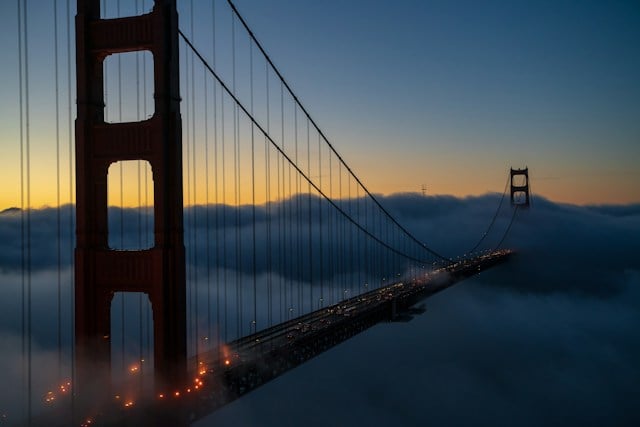
The whole world is a very narrow bridge, and the essential thing is not to be afraid.
I knew those words first as a song from school, camp, and Jewish life growing up. As I get older, I hear them differently. The bridge really is narrow. Yom Kippur does not ask us to pretend otherwise. It asks us to look honestly at where we are standing, make corrections while we still can, and keep moving.
Prepare for what you can. Repair what you can. Trust where you must. And keep walking.
Maybe that is one way to approach Yom Kippur: not scared, but awake, and ready to do something with the time we have.
G’mar chatimah tovah — may we all be sealed for a good year.