
The Lantos Prize and Three Courageous Afghan Women
Afghanistan has been home to many incredible women whose bravery, determination, and accomplishments truly deserve to be recognized on a global scale. Even in the face of decades of conflict, political turmoil, and deeply ingrained social restrictions, Afghan women have shown remarkable resilience. They’ve stood up against discrimination, shattered professional barriers, and fought for the rights of others, often putting themselves in harm’s way.
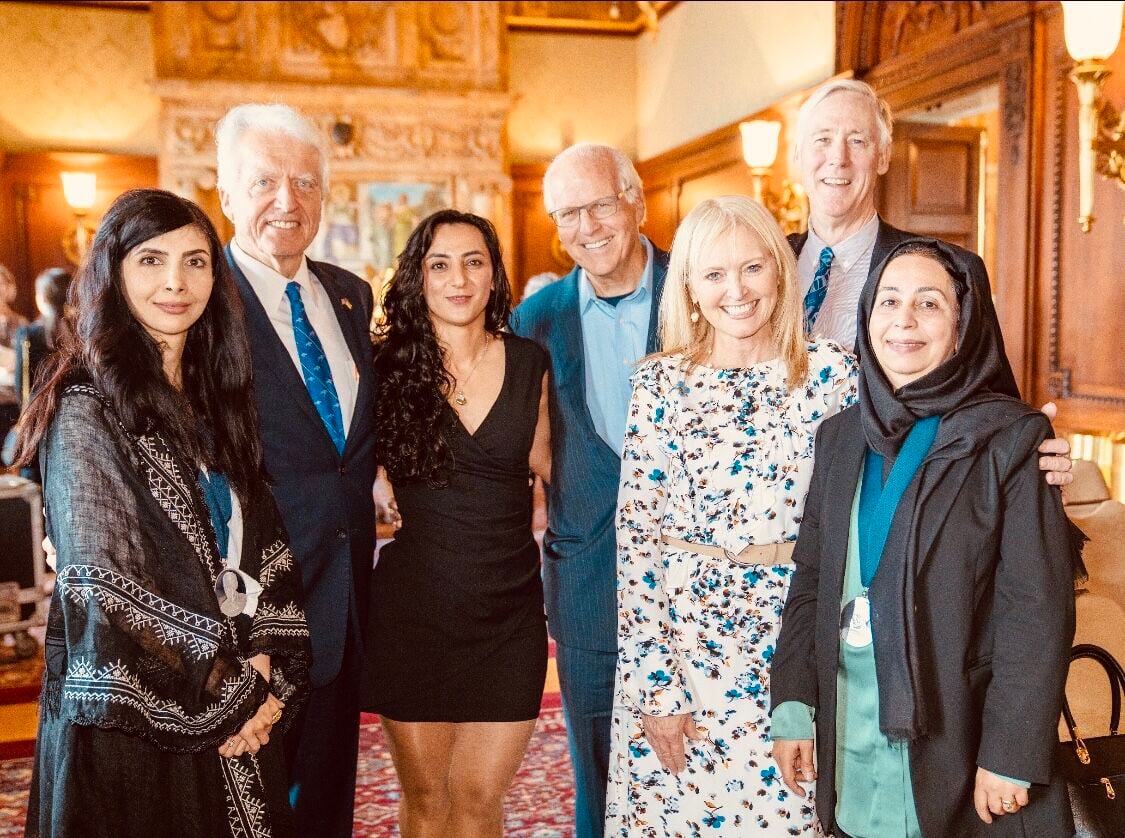
Among these inspiring figures are three standout women: Judge Fawzia Amini, tech entrepreneur Roya Mahboob, and former national football captain Khalida Popal. Their significant contributions to justice, education, technology, and sports earned them the esteemed 2021 Lantos Human Rights Prize, presented by the Lantos Foundation for Human Rights and Justice.
Their recognition held a deep significance. When the Taliban regained control in August 2021, it drastically altered the landscape for Afghan women, putting many of their hard-won gains from the last twenty years at risk. As women found themselves pushed out of classrooms, workplaces, and public life, the Lantos Foundation made the commendable choice to honor three remarkable individuals who have dedicated their lives to broadening those very opportunities.
This award wasn’t just about celebrating individual accomplishments. It served as a powerful reminder of the vital role Afghan women have played in shaping their nation’s institutions and breaking down the barriers that have long limited their involvement in society.
The three recipients came from entirely different professional backgrounds, yet their experiences shared a common purpose: ensuring that Afghan women could live with dignity, exercise their rights and participate meaningfully in their country’s future.
Judge Fawzia Amini spent more than two decades working to strengthen Afghanistan’s legal institutions and improve protections for women. She served in several important government positions, including as head of the Legal Department at the Ministry of Women’s Affairs, before becoming a senior judge in Afghanistan’s Supreme Court and head of the Violence against Women Court.
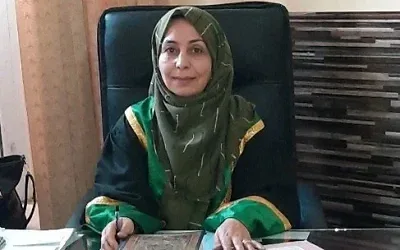 Her professional career was devoted to making the justice system more accessible to women who had historically struggled to obtain legal protection. She handled hundreds of cases involving violence against women and contributed to the development of legislation addressing domestic violence, family rights and the protection of vulnerable women.
She also participated in drafting important legal frameworks, including the Elimination of Violence against Women Law, and worked with government institutions to ensure that women’s rights received greater consideration in legal reforms.
These were not insignificant achievements in a country where women had long faced enormous obstacles in seeking justice. Through her work, Judge Amini helped establish the principle that violence and discrimination against women were matters requiring legal accountability rather than issues to be ignored or settled privately.
However, the Taliban’s takeover turned her professional achievements into a source of personal danger. Female judges who had prosecuted or sentenced individuals for violence against women suddenly found themselves vulnerable to retaliation.
Judge Amini received serious threats and was forced into hiding. With assistance from international legal organisations, including the International Bar Association, she eventually escaped Afghanistan and found refuge in the United Kingdom.
What makes her story particularly inspiring is that her commitment to justice did not end when she reached safety. She continued advocating for Afghan women judges who remained in danger, reminding the international community that many women who had served the rule of law were now struggling for their own survival.
Her experience illustrates a disturbing reality: when judicial institutions collapse, those who once defended the rights of others can become among the most vulnerable.
Roya Mahboob represents another dimension of Afghanistan’s struggle for women’s empowerment. As the country’s first female technology CEO, she challenged the perception that Afghan women could not succeed in fields traditionally dominated by men.
Mahboob recognised early that education and access to technology could transform women’s lives. Through her work, she sought to provide Afghan girls with opportunities to develop digital skills, pursue professional careers and achieve greater economic independence.
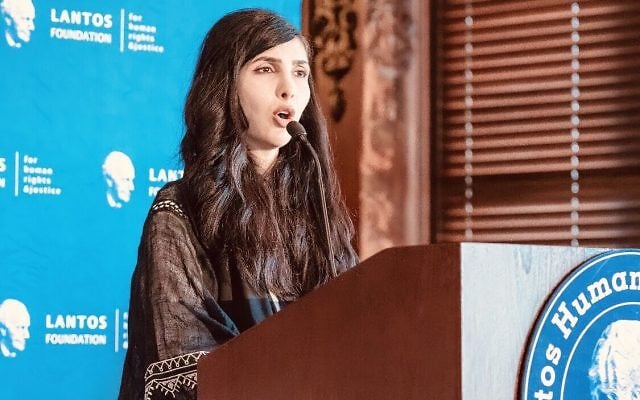
She founded the Digital Citizen Fund, an organisation dedicated to improving technological and financial literacy among women and girls. Her initiatives helped establish internet-enabled classrooms and encouraged young Afghan women to explore technology, entrepreneurship and innovation.
“Receiving the Lantos Human Rights Prize alongside two extraordinary Afghan women was a tremendous honour. I accepted this recognition not only for myself but also for my dedicated team and the courageous women and girls of Afghanistan who continue to pursue education despite enormous challenges. I firmly believe that education is one of the most powerful tools we have to confront extremism, empower women and bring meaningful change to Afghan society. Our commitment to creating educational opportunities for Afghan girls will continue, regardless of the obstacles we face,” Roya Mahboob, CEO of the Digital Citizen Fund,
Perhaps one of her most widely recognised contributions was her support for the Afghan Girls Robotics Team. The team’s achievements attracted international attention and presented a very different image of Afghanistan from the one usually associated with war and instability.
These young girls demonstrated that Afghanistan possessed enormous intellectual potential. Given access to education and resources, they could compete internationally and contribute to technological progress.
Mahboob’s work earned her a place on TIME magazine’s list of the world’s 100 most influential people in 2013, bringing international attention to her efforts to empower Afghan women through technology.
Following the Taliban’s return, she helped members of the robotics team leave Afghanistan as concerns grew about their safety and future opportunities.
There is something deeply troubling about young women who had represented their country with distinction being forced to leave simply to continue their education and pursue their ambitions.
Mahboob’s story is a reminder that denying girls access to education is not only an injustice against individuals. It is also a loss for the entire nation. Afghanistan cannot develop a competitive economy or build modern institutions while excluding women from science, technology and professional life.
Khalida Popal’s journey is equally remarkable, although her struggle began in a very different environment.
In 2007, she helped establish Afghanistan’s national women’s football team, challenging social attitudes that discouraged women from participating in sport. She became the team’s captain and later the first woman employed by the Afghanistan Football Federation.
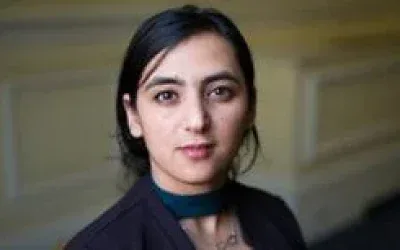
For many Afghan girls, the existence of a national women’s football team represented something far greater than sporting competition. It demonstrated that women could represent their country, pursue their ambitions and claim a place in public life.
Popal faced hostility and threats because of her activism and eventually went into exile. Yet leaving Afghanistan did not diminish her commitment to women’s empowerment.
From Denmark, she established the Girl Power Organisation, which uses sport to promote confidence, inclusion and opportunities for women and girls, particularly refugees and migrants.
When the Taliban regained control of Afghanistan, Popal became deeply involved in efforts to evacuate female footballers who feared persecution. She helped dozens of players from Afghanistan’s senior and junior national teams escape and relocate, while continuing to support them and their families as they adjusted to life in unfamiliar countries.
Her journey from football captain to international human rights advocate demonstrates how sport can become a powerful instrument for social change.
A football field may appear far removed from debates about human rights and political freedom. Yet for Afghan women, the simple act of playing football publicly challenged restrictions that had limited their lives for generations.
What connects Judge Amini, Roya Mahboob and Khalida Popal is their refusal to accept that Afghan women should remain confined by circumstances beyond their control.
One pursued justice through legal institutions. Another used technology to expand educational and economic opportunities. The third turned sport into a platform for equality and empowerment.
Their achievements also explain why the Lantos Foundation’s decision to honour them jointly was so significant.
Dr. Katrina Lantos Swett, president of the Lantos Foundation, acknowledged that selecting only three recipients had been difficult because Afghanistan had produced so many courageous women working to advance human rights.

She emphasised that the three women represented the diversity of ways Afghan women had contributed to human rights and expressed the hope that they would accept the recognition on behalf of countless others facing an uncertain future under Taliban rule.
That message remains relevant today.
Five years after the Taliban’s return to power, Afghan women continue to face severe restrictions on education, employment and participation in public life. Girls have been denied access to secondary schools, women have been excluded from universities, and opportunities for professional advancement have been drastically reduced.
The consequences extend well beyond women’s rights. Afghanistan is depriving itself of the knowledge, experience and abilities of a substantial part of its population.
A country needs educated teachers, doctors, lawyers, engineers, entrepreneurs and public servants to function effectively. Restricting women’s participation in these professions weakens institutions, reduces economic opportunities and makes long-term development more difficult.
There is also a wider regional concern. Afghanistan’s future matters to neighbouring countries, including Pakistan, which has experienced the consequences of instability across its western border for decades.
A peaceful and economically stable Afghanistan would benefit the entire region. But lasting stability cannot be achieved through security arrangements alone. It also requires functioning institutions, access to education, economic opportunities and respect for fundamental human rights.
Women’s participation must be part of that process.
The international community, meanwhile, must ensure that its concern for Afghan women extends beyond statements and ceremonial occasions. Recognition through prestigious awards is valuable because it draws attention to individuals whose contributions might otherwise be overlooked. But recognition should also encourage meaningful support.
Women who remain in Afghanistan need educational opportunities, humanitarian assistance and protection. Those who have been forced into exile need opportunities to rebuild their careers and continue contributing to society.
International institutions, universities, professional associations and civil society organisations can play an important role in supporting Afghan women without treating them merely as victims of political circumstances.
Indeed, the lives of these three Lantos Prize recipients demonstrate why Afghan women should be recognised as leaders in their own right.
Judge Amini did not wait for others to reform Afghanistan’s legal system. She worked within it to strengthen protections for women. Roya Mahboob did not simply complain about the absence of technological opportunities. She created institutions that helped young women acquire new skills. Khalida Popal did not accept that football was exclusively a man’s sport. She helped build a national women’s team and later worked to protect its players.
Their actions offer a powerful lesson about leadership. Real change often begins with individuals who refuse to accept that existing circumstances are permanent.
For those of us who believe in human dignity, religious freedom and peaceful coexistence, their stories carry a broader message. Human rights are not privileges that governments may grant or withdraw according to political convenience. They are fundamental principles that should apply to every individual, regardless of nationality, religion or gender.
Afghanistan’s women have already demonstrated their ability to contribute to their country’s development. Their achievements in education, law, journalism, business and sport are part of Afghanistan’s history and should not be forgotten.
The 2021 Lantos Human Rights Prize recognised three extraordinary women, but its significance extends far beyond their individual accomplishments. It honoured the determination of Afghan women who continued pursuing equality despite threats, discrimination and political upheaval.
Judge Fawzia Amini, Roya Mahboob and Khalida Popal represent three different professions and three different journeys. Yet together, they embody the courage of women who refused to surrender their aspirations, even when circumstances forced them to leave their homeland.
Their recognition should also remind the world that Afghanistan’s future cannot be built by excluding its women. No society can achieve lasting progress while denying half its population the right to learn, work and participate in public life.
The Lantos Prize celebrated their courage. The greater challenge now is ensuring that the values for which they struggled are not forgotten.
These three courageous Afghan women have already shown what determination, education and leadership can achieve. Their stories deserve to be remembered not merely as examples of resistance to oppression, but as evidence of the extraordinary future Afghanistan could build if its women were once again free to fulfil their potential.