
Our People helping our people
The One Thing Every Jewish Kid Needs This School Year
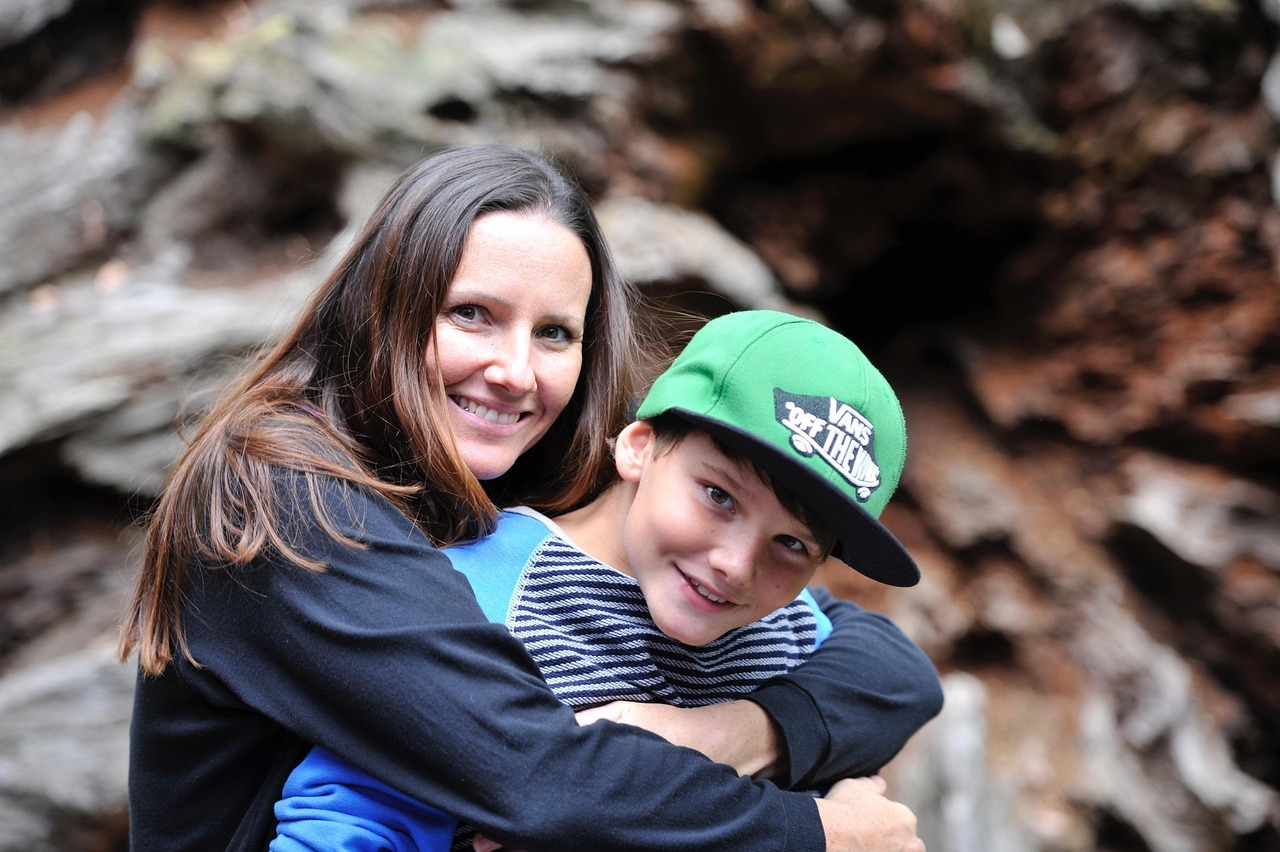
Image by Tammy Cuff from Pixabay
The school year is starting next week, and I am thinking about my son. About all those Septembers when he was a teenager — mischievous, loud, full of energy, testing every boundary. Back then, I worried: Would he ever find his place? Would the world ever see what I saw?
And now, he is out there in the IDF uniform, carrying responsibility far bigger than a classroom or homework. My heart swells with pride and fear at the same time. And I think: thank God I never stopped believing in you. Thank God I always saw the good — even when others didn’t.
Because here’s the truth: every child needs one adult who never stops believing in them. Most of the time, that adult needs to be us — their parents.
Yesterday, I ran into the parents of a girl from our camp, which our organization runs for Ukrainian and Russian oleh kids in Israel, as well as kids from miluim families.
We were chatting, and totally off the cuff, I said:
“Your daughter is such a great kid. We loved having her in camp.”
And both of them just froze. Like a freeze-frame moment. Then they did a simultaneous double take and looked at me as if I had just told them we took their kid on a field trip to the moon.
“What? She’s… a good girl?”
“Uh… yeah. We really liked her.”
“You’re being sarcastic, right?”
I was shocked by their shock. I would never in a gazillion years be sarcastic about a kid to her parents.
She was a totally “smooth” kid — gave us zero trouble, participated beautifully in all activities, and we really liked her. So no, I was not being sarcastic. But it was clear they hadn’t heard a good word about their kid in a long time. Maybe ever.
I’m not sure whether something in our camp brought out the “goodness” in this girl or if there is a huge gap between normative kid behavior and her parents’ expectations. But whatever it is, that kid and those parents must be really hurting inside.
And I walked away from that conversation with my heart hurting. How many kids go through life never hearing that they’re good? Not from their parents. Not from teachers. Not from anyone.
How many kids think they’re a disappointment because they don’t fit into the box we had in our heads before they were born?
And how many parents feel like failures because their kid isn’t who they imagined they’d be?
I’m raising my sixth teenager right now (with more to go). I know what it’s like to have a kid who is… let’s say, spirited.
The regular stuff, like a kid who pushes every button, slams doors so hard you’re Googling “Can a doorframe crack from attitude?”, screams so loud you’re sure the neighbors will call the cops, or makes you want to lock yourself in your bedroom with chocolate and cry.
Parenting has taken me places I never imagined. To the principal’s office to hear my kid was expelled — permanently. To search parties, combing the neighborhood for hours when we didn’t know where they’d gone. To months of cold silence, wondering if they’d ever speak to me again. Even to a police station in the middle of the night to bail them out. (That one incident cemented my kid’s belief that no matter what, we will always be there and have their back.)
I’ve been there. I’ve prayed there. I’ve ugly cried there.
And still — not once did I think my kids were bad. Even on their worst days, they were good. Maybe mischievous. Maybe misguided. Maybe infuriating. Maybe hurt. But always inherently good.
Because here’s the truth:
Messy doesn’t mean bad. Loud doesn’t mean bad. Struggling doesn’t mean bad.
Every single kid needs ONE adult who looks them in the eye and says:
“You’re good. I believe in you.”
Not perfect. Not easy. Just good.
I’m not a perfect mother. I’ve made a LOT of mistakes. But 30 years on this job teaches you a thing or two, and here’s what I’ve learned:
Believe in your kid
When times are hardest, when teachers were ready to give up, it was always 100% clear to me that my kids would get their act together and find their way. That certainty was a gift from G-d. And sometimes, that belief gave teachers the motivation to give my kid one more chance. A year later they’d ask, “How did you know?” And I’d shrug: “I just did.” Maybe you don’t feel that certainty right now. Find it anyway. It changes everything.
It’s not your kid’s job to give you nachas
They are not you. They are not about you. They’re not a reflection of your worth. They are not a reflection on your parenting. They’re not your success badge.
Our kids are not responsible for our feelings. We are.
Let them be their own person
It’s hard to watch them make mistakes. But they have their own life path, their own lessons. Yes, give them wisdom. Yes, set boundaries. But then acknowledge their autonomy and learn to live with your heart walking around outside your body, learning the hard way.
Say it out loud. Even on the worst day
“You’re good. I believe in you. I love you.”
Say it through clenched teeth if you have to. Talk to them even when they give you the silent treatment. Kiss them even when they shake you off. Remind them that what they’re going through is a stage and it will pass. They’ll hate hearing it, they’ll protest, they’ll scream — but you stay. Be the rock that never lets go.
Lower the bar on perfection
You’re raising a human, not building a robot.
Your teenager isn’t a project to fix. They’re a person to love.
Their imperfection is by design. As Alei Shur writes:
A person who doesn’t recognize their shortcomings is like a carpenter with no wood to work on, and a person who doesn’t recognize their strengths is like a carpenter with no tools to work with.
So tonight, before you turn out the lights, tell them:
“I love who you are. I believe in you.”
Say it even if they roll their eyes. Say it especially if they roll their eyes.
Because when you treat a kid like trouble, they become trouble.
When you treat them like treasure, they rise to it.
Every kid deserves one person who never stops believing in them.
Be that person.
Related Topics