
Writing Where Intelligence Meets Strategy
The Red Sea Dilemma: Bin Salman Pleads, Trump Says No
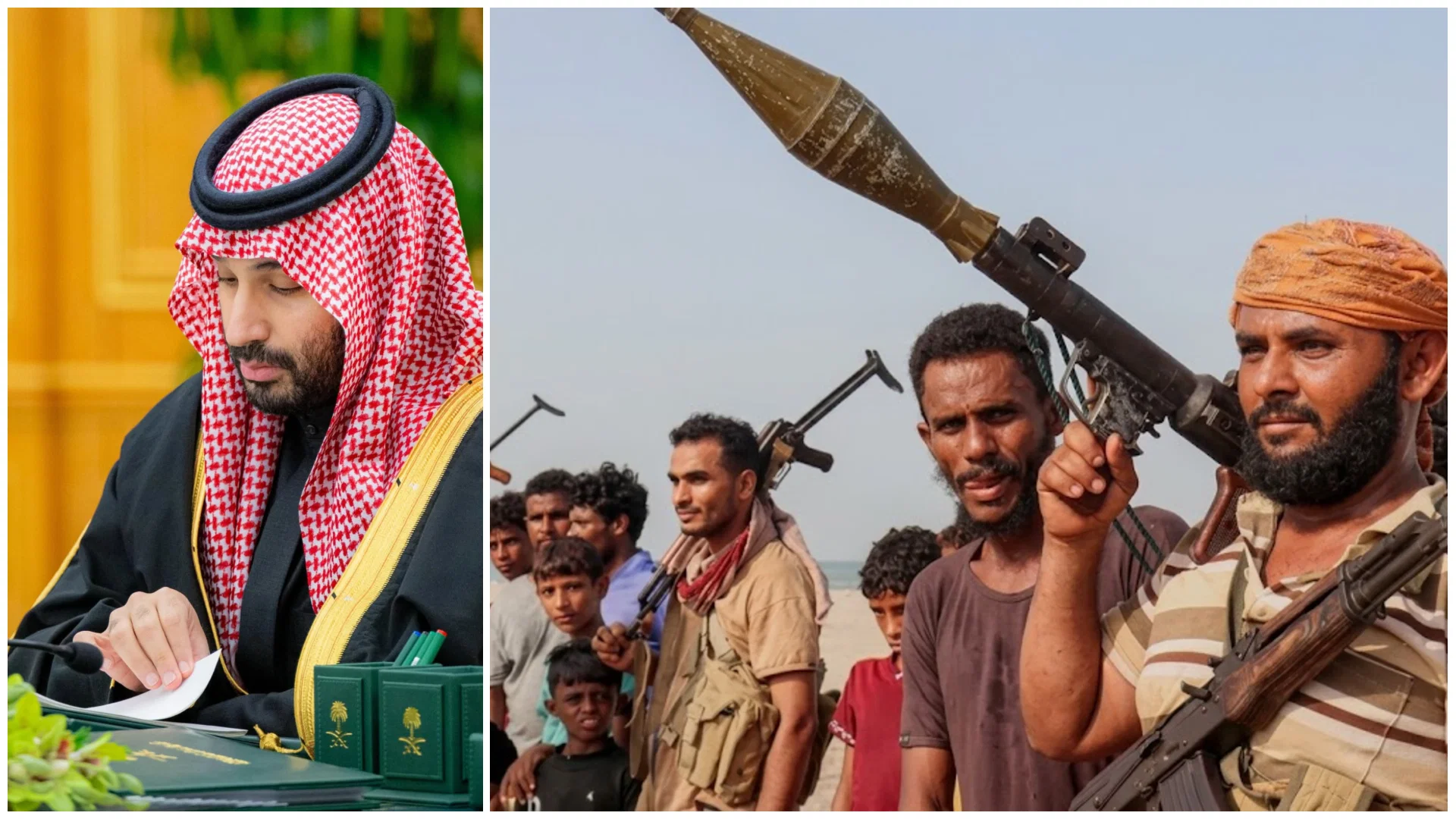
Houthis | Bin Salman (Photo: Arab networks - Shutterstock)
When the Backyard Goes Up in Flames
As the global energy market trembles and the shadow of a maritime crisis weighs heavily on the world economy, a fierce diplomatic and security drama is unfolding behind the scenes, one that should ring alarm bells for anyone following developments in our region. According to reports by Axios, Saudi Crown Prince Mohammed bin Salman urgently reached out to US President Donald Trump twice in a single day, pleading with him to order decisive American military strikes against the Houthi militia in Yemen.
The Saudi pressure did not come out of a vacuum. It followed dramatic developments on the ground in which Houthi forces seized strategic islands in the Red Sea, captured a major coastal city, and advanced toward the Bab el-Mandeb Strait, one of the world’s most vital trade arteries. For Saudi Arabia, this poses a direct and tangible threat to its national security, its maritime borders, and the stability underpinning its ambitious development plans.
The Wall in Washington: Trump Refuses to Open a New Front
Despite the urgency of the Crown Prince’s appeals, President Trump’s response was unequivocal: a refusal. Washington made it clear that there is no intention of entangling the US in a direct military campaign in Yemen, with priority given to preventing a wider escalation.
In my view, this refusal is much more than a mere tactical disagreement; it underscores a sharp shift in American doctrine. The era of the “blank check, ” in which Washington rushed to deploy its military on behalf of its Gulf allies, has drawn to a close. Trump’s America expects regional players to take full responsibility for their own backyard.
How the Saudi Leader Views This Reality
For Mohammed bin Salman, Washington’s negative response is a profound strategic shock and a deep frustration. A leader attempting to steer Saudi Arabia into a new era of economic independence and regional development finds himself left exposed on the front lines.
From the perspective of the royal court in Riyadh, American reluctance to deliver a decisive military response against a direct threat to shipping lanes projects weakness and invites further audacity from Iran and its proxies. Bin Salman understands full well: if Washington refuses to back Saudi Arabia during a genuine crisis in the Red Sea, the kingdom can no longer take the “American umbrella” for granted.
A Catalyst for Military Independence: Will the Crisis Drive Accelerated Buildup?
In my view, this jolting turn of events will serve as a critical turning point. The realization that Riyadh might stand alone against regional threats will almost certainly prompt Saudi Arabia to dramatically accelerate its independent military buildup. Rather than relying entirely on external powers, the kingdom will seek to reduce its dependence exclusively on American weaponry, pursuing massive defense deals and advanced technologies from alternative suppliers in Europe and Asia. At the same time, the direct threat to shipping lanes compels Riyadh to invest vast resources in a strong naval force, advanced interception systems, and rapid-response capabilities to defend its coastline without waiting for a signal from Washington.
Intelligence Support Instead of Boots on the Ground
That said, the American refusal to strike does not amount to a total abandonment. Washington is prepared to provide the kingdom with the technological and intelligence architecture needed for Riyadh to manage the campaign on its own, including real-time intelligence and precise target-scouting data, alongside a modest presence of military advisors.
This half-measure leaves Saudi Arabia facing a complex dilemma: on one hand, the Houthi threat on its doorstep demands an aggressive military response; on the other hand, the absence of direct US military backing forces Riyadh to thoroughly reassess its steps, all while oil prices and global markets react with sharp volatility.
Looking Ahead: Is the Gulf Alone in the Fight?
Recent events in the Red Sea teach us that the Middle East has entered a new geopolitical reality. When Washington chooses to keep its cards close to its chest and limit its involvement to intelligence assistance, it is abundantly clear that Saudi Arabia and regional states understand the message: ultimately, they will have to navigate the storm threatening the region’s stability and economy on their own.
Related Topics
Related Posts