
The Role of the Press in the Fight Against Antisemitism and Hate Speech
We are witnessing not only a military conflict involving the United States, Israel, and Iran, but also an intense battle of narratives between Israel and the West. In Brazil, it is common to encounter daily news reports that are distorted and biased, often leading readers and listeners to misinterpret the events.
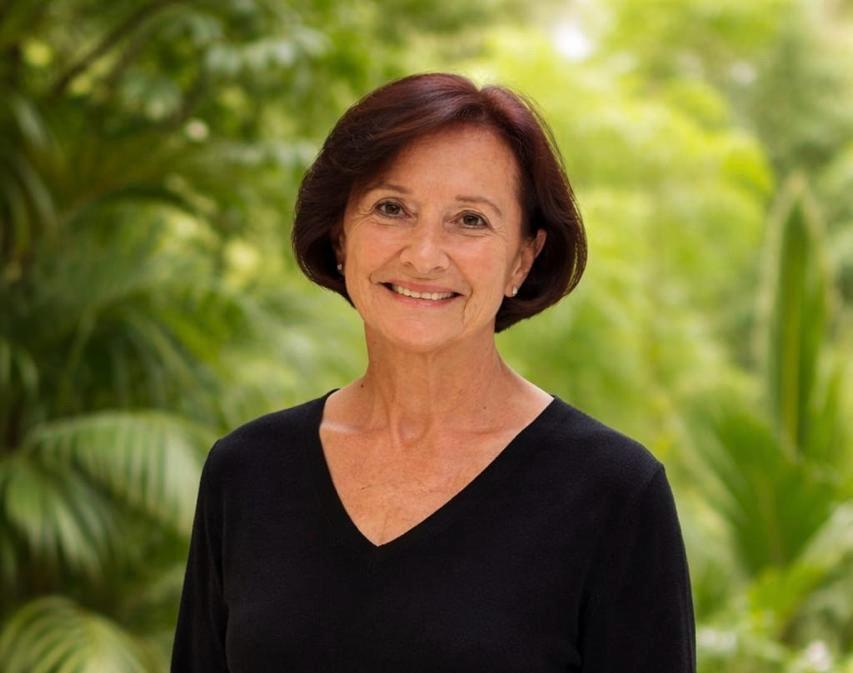
In light of this scenario, I invited Célia Bensadon — who worked in the International desk of O Estado de S.Paulo and currently serves as writer and editor of the weekly newsletter of the Brazilian Israelite Confederation (CONIB) — to draft a letter on the subject.
Read it in full:
“… The press is more than a mirror of society — it is often the light that reveals what must be seen, understood, and transformed. In times marked by noise, misinformation, and hate speech, its role becomes even more essential: to give voice to truth, to illuminate the shadows, and to defend, with courage, human dignity.
In the fight against antisemitism, the press carries a historic and moral responsibility. By telling stories, investigating facts, and contextualizing events, it prevents forgetfulness from becoming an accomplice to intolerance. Every report that rescues memory, every interview that humanizes experiences, and every analysis that unmasks prejudice contributes to building a more conscious society — and therefore one more resistant to hatred.
But this mission is not limited to a single form of discrimination. The press is also a bridge between worlds, cultures, and realities. When practiced with ethics, sensitivity, and commitment, it broadens horizons, dismantles stereotypes, and promotes empathy. It shows that behind labels are stories, dreams, and lives that deserve respect.
In a scenario where distorted narratives can spread quickly, responsible journalism acts as a guardian of truth. It questions, verifies, contextualizes — and, above all, humanizes. In doing so, it not only informs but transforms.
Combating prejudice requires more than denunciation: it demands education, awareness, and inspiration. And it is here that the press reveals its most powerful strength. By choosing which stories to tell — and how to tell them — it can help build bridges where once there were walls. The journalist’s role requires technique, investigative rigor, ethics, and, above all, a personal and social commitment far greater than simply mastering technological tools.
May the press continue to be a beacon in the darkness, a voice against complicit silence …”.