Two Years Later: When Moving Forward Means Proving You’re Still Wounded
It has now been two years.
November 19 is a complicated date for our family. We celebrate the recovery of our son and his friends, while at the same time mourning the loss of the young man who did not come home. Alongside their continuing physical and emotional recovery, these young men also grapple with survivor guilt and the complicated feelings surrounding how the family of their fallen comrade views those who survived.
Recovery is an ongoing process. Two years may sound like a long time, but healing does not follow a calendar.
Some wounds remain visible, while others are far less apparent. There are scarred bodies hidden beneath shirts and scarred souls hidden behind smiles.
We celebrate the milestones: the surgeries behind them, the rehabilitation, returning to studies, making plans and beginning to reclaim their lives. We want these young men to move forward. We want them to build careers, relationships and families, and to look toward the future rather than constantly revisit the past.
But moving forward does not mean that the wounds have disappeared.
Our son has returned to university, where he is studying medicine. His decision to pursue medicine was shaped in large part by the experience he had with the extraordinary doctors, nurses, therapists and other healthcare professionals who cared for him throughout his hospitalization and rehabilitation. He experienced firsthand what dedicated and compassionate medical care can mean to someone whose life has suddenly been turned upside down. He now hopes to one day provide that same care to others.
He works incredibly hard to keep up with his studies. From the outside, it is easy to see a young man who has returned to university and is getting on with his life.
What is less visible is how hard he has to work to concentrate. His ability to focus has been affected by what he has experienced and by his injuries. Keeping up with his coursework takes enormous effort. His determination to succeed is a sign of his strength. It is not proof that he is no longer affected by his injuries.
And he is not alone.
Over the past two years, I have been part of several WhatsApp groups of mothers of wounded soldiers. Our sons have had very different injuries and very different experiences. But one concern comes up again and again: what happens when the wounds are not easily visible?
These mothers share their sons’ experiences with the va’ada. The va’ada is an official military or Ministry of Defense medical committee. In cases of recognized service-related injuries or illnesses, it evaluates the soldier’s medical condition and determines a disability percentage, which helps establish eligibility for ongoing medical care and financial benefits.
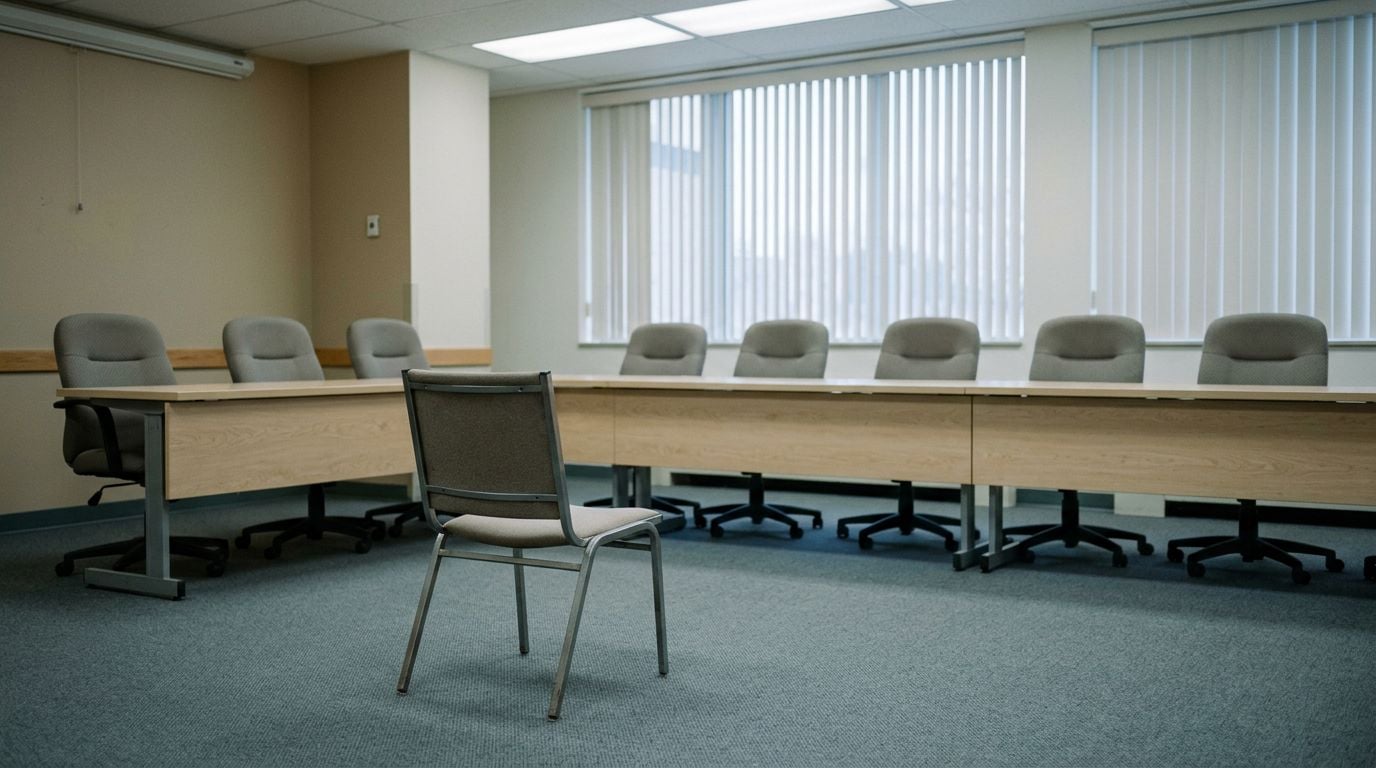
For a soldier who has worked so hard to rebuild his life, facing the va’ada can be daunting. He is required to revisit the trauma, the pain and the circumstances of the day that changed his life. He must document his injuries, explain his limitations and convince a panel of people who were not there what he continues to live with.
There is something deeply difficult about having to prove that you are still wounded.
These young men did not choose their injuries. They did not choose the surgeries, the rehabilitation, the pain or the limitations that continue to affect their lives. Yet now they must become their own advocates and fight to receive the recognition and benefits to which they are entitled.
And there is another burden: navigating this process can involve hiring an attorney, creating an additional financial cost for a soldier who is already dealing with so much.
The process itself is complicated and time-consuming. There is paperwork to gather, medical documentation to obtain, appointments to coordinate and decisions to understand and sometimes challenge. It is difficult for a young soldier to navigate all of this on his own, particularly while still dealing with the physical and emotional consequences of his injuries.
There are organizations that offer guidance and assistance to wounded soldiers, and their work is invaluable. But these organizations are also stretched thin and often overburdened by the growing number of soldiers who need their help. As a result, even knowing where to turn and how to get the assistance needed can become another challenge.
Soldiers are often told that they do not need legal representation. But I wonder whether that advice adequately takes into account not only the complexity of the process, but also the difference between an injury that is immediately visible and one that is not.
A soldier with an obvious physical injury may have the extent of his injury understood as soon as he goes into the room. But what about the soldier whose concentration has been affected? The soldier who struggles with chronic pain or emotional trauma? The soldier who looks healthy but is working twice as hard to accomplish what he once did without thinking?
How do you measure that?
How do you prove it?
There is an inherent contradiction here.
We want these young men to move forward. We want them to return to their studies, build careers, start families and live full lives. We celebrate when they do.
Yet the better they look, the easier it can be to assume that they are doing better than they actually are.
Moving forward is not the same as being fully healed.
Our son’s return to university does not mean that his injuries no longer affect him. His determination to keep up does not mean that keeping up is easy. In fact, sometimes the very things we celebrate as signs of recovery are the things that can make the continuing effects of an injury harder to see.
So I find myself asking a question that I never imagined I would have to ask:
Should my son go before the va’ada barechested?
Should he have to expose his scars in order for a panel to understand what he has endured?
Two years later, our family is enormously grateful for the progress our son and his friends have made. We will continue to celebrate every milestone. And we will continue to remember and mourn the friend who is no longer here.
But through the conversations with other mothers of wounded soldiers, I know that our questions are not unique. We are grateful for the organizations and individuals who work tirelessly to help these young men navigate the system. But there are simply too many needs and not enough hands to help everyone through what can be a complicated and exhausting process.
These young men have already fought their battles on the front lines. Their determination to rebuild their lives should be celebrated, not used as evidence that they no longer need support.
Our responsibility to them did not end when they left the hospital. It did not end when they completed rehabilitation. And it should not end simply because they have learned how to smile again.
We want them to move forward. We want them to study, work, build families and pursue their dreams. We should be able to celebrate those achievements without losing sight of what it takes for them to get there.
Moving forward is not the same as being fully healed. And no soldier should have to prove, all over again, how much he has been through in order to receive the support he deserves.