What I Learned Helping Get Shower Access to 30,000 People in Need
Especially during election season, it’s easy to get caught up in arguments about the best ways to help people: socialized health care versus the free market, increasing the housing supply versus subsidizing demand, sending aid abroad versus investing at home, the list goes on.
As crucial as these discussions are, if you’re like me, you’ve grown increasingly cynical in recent years about the ability of the electoral process to bring about societal transformation. Even if we share the best of intentions, we can end up on opposite sides of the political tug-of-war.
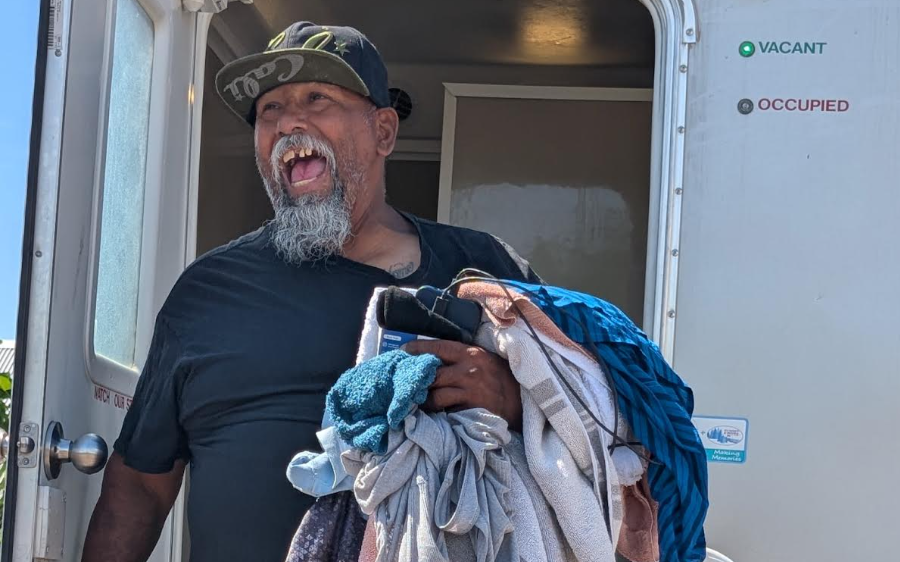
The main solace I’ve found during these often maddening times has been in concentrating energy on helping people directly. Some years ago, one of our core partners offered a hotel room to give unhoused people the dignity of a place to shower. Seeing how profoundly affected these people were by their first hot shower in months moved me to tears.
We frequently overlook just how much the difficulty of homelessness is exacerbated by the fact that those who appear unclean often can’t get jobs, can’t go into stores, and are socially isolated from opportunities to improve their situations.
This is before we even consider the dignity taken away when someone can’t feel fresh, not to mention the rashes, illnesses, and other detrimental health effects that come from not being able to take care of one’s hygiene.
In the midrash Vayikra Rabbah, Hillel the Elder tells his students that he is going to perform a mitzvah by bathing. When the students question whether bathing counts as a mitzvah, he answers:
If the statues of kings that are placed in theaters and circuses, the one who is appointed over them scrubs them and washes them, and they provide him with sustenance, and moreover, he is exalted among the prominent leaders of the kingdom; I who was created in the likeness and image [of God], as it is written: “For in the image of God, He made man” (Genesis 9:6), all the more so.
Moreover, the Talmud in Sanhedrin 17b tells us that, just as a city needs a synagogue and a doctor for it to be fit for a Torah scholar, so too does it need a bathhouse.
What I gather from these teachings is, if it’s a mitzvah to honor the Divine image of our own bodies, we need to make sure everyone has the opportunity to do so.
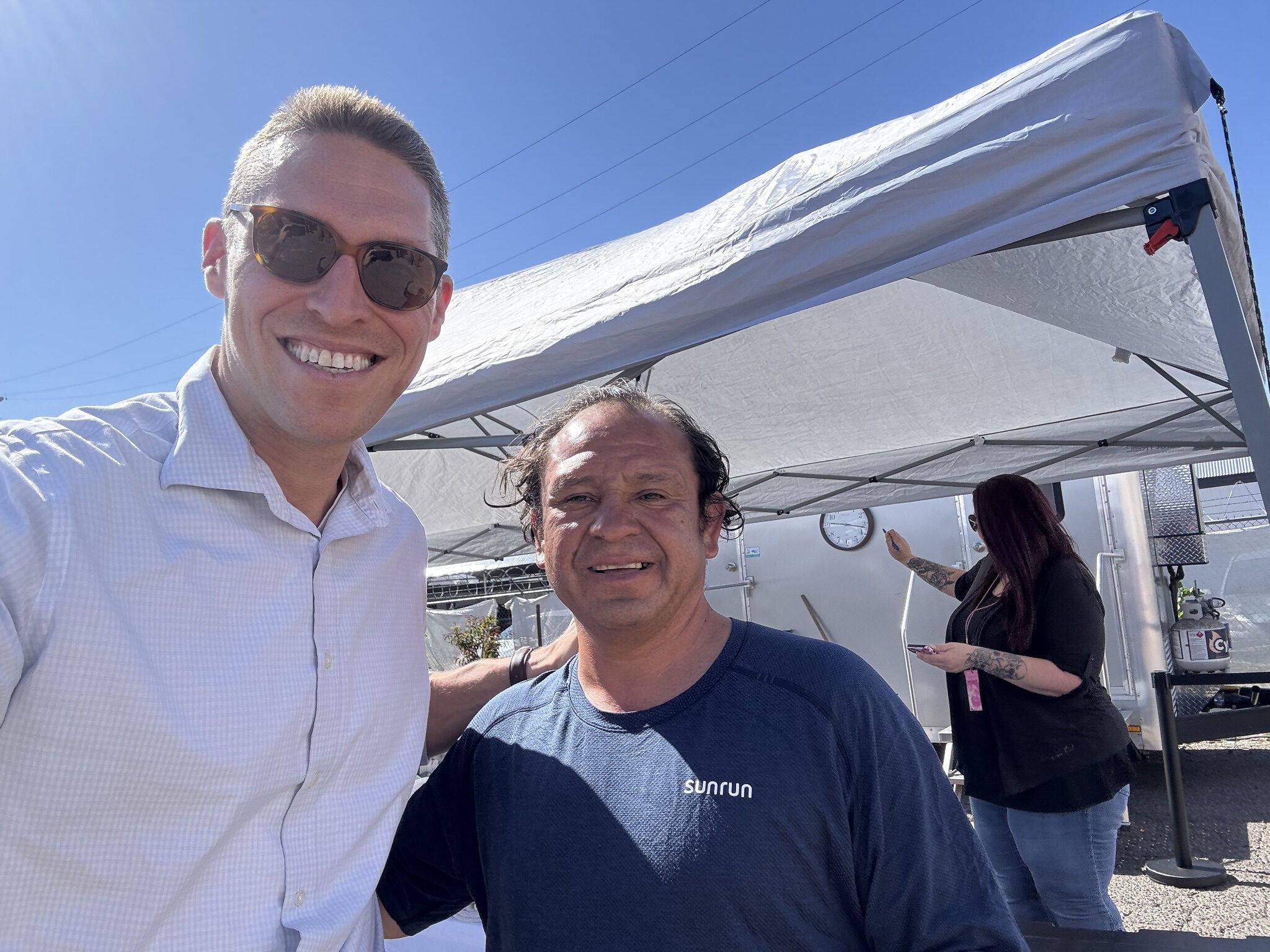
So, at Uri L’Tzedek, we launched the Kavod HaBriyot Mobile Shower Project, which right now centers on a trailer equipped with showers, with a side for men and a side for women.
Over the last few years, we’ve helped over 30,000 unsheltered people, asylum seekers, and refugees get shower access. Seeing the impact it’s had on people who, for example, live in their car and need to shower before school or work, we’ve realized that ought to only be the beginning.
That realization inspired us to start manufacturing a second mobile shower unit, envisioning a world where people in need in any other locations can access a shower with the help of the Jewish community.
In the short term, though, the day-to-day work involves finding community members willing to donate used towels as well as new socks and undergarments. We often clean out our closets finding used clothes to donate, which means our supply of socks, towels, and underwear lags sorely behind that of shirts, pants, and coats.
You can help solve this problem by dropping these necessities off at our Scottsdale office, ordering them online to arrive at our office, or simply donating online, noting that you want to help with supplies for the Mobile Shower Project.
As I cast my ballot, I do so begrudgingly; grievance politics has been on the rise in both major parties and engaging with either one feels less and less likely to be generative. Seeing the need among the people we serve up close only makes the political fighting feel more petty and fruitless.
But, I’ve found, when we turn our attention away from attack ads and online flamewars and toward the faces of those who truly need our help, we’re more likely to make productive progress out in the world as well as in the halls of power.