
When the lion roars, the poor go unheard
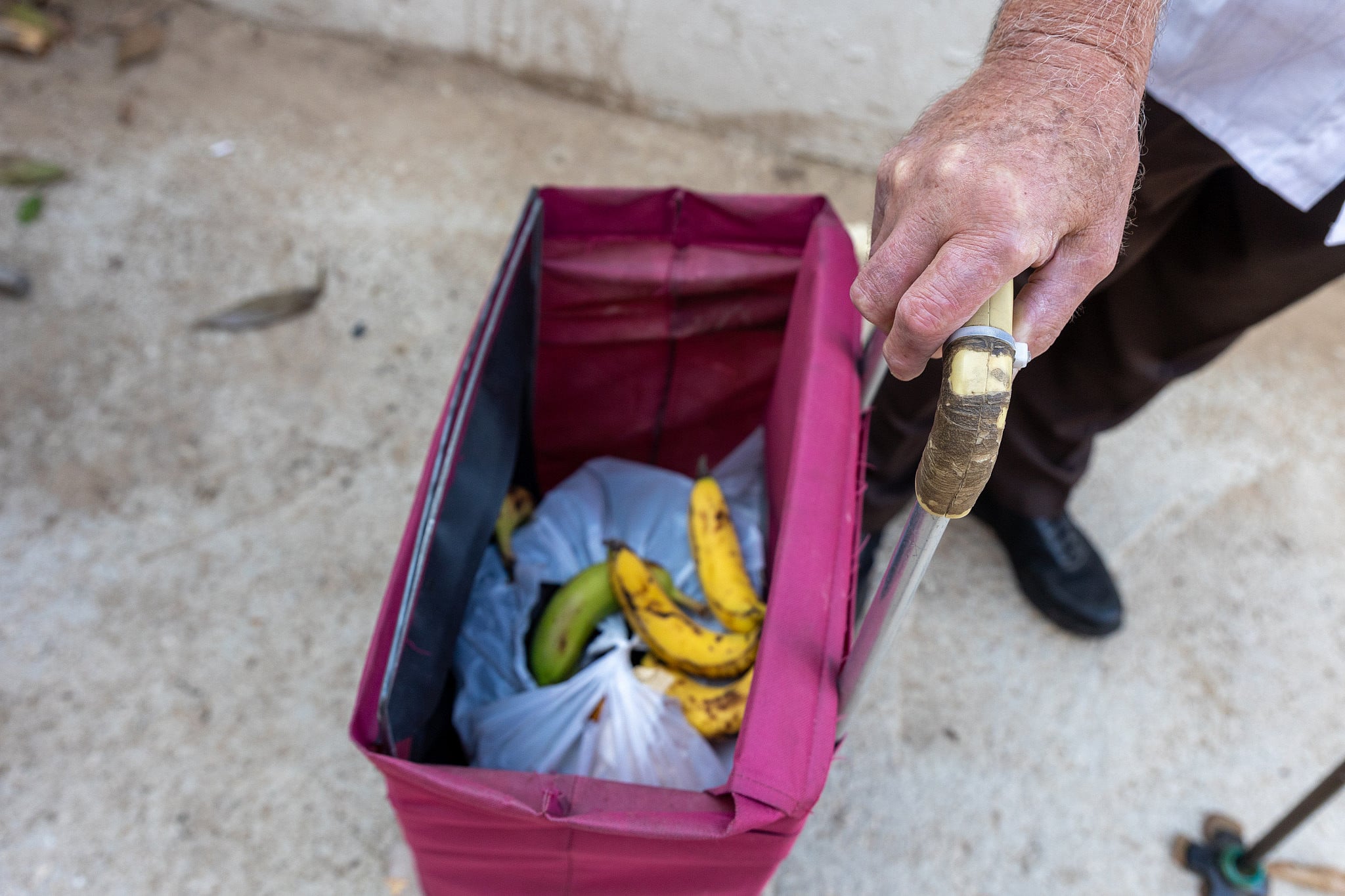
In recent weeks, countless headlines, broadcasts, and public debates have focused on flights, vacations, and rescue operations. Tens of thousands of Israelis are “stranded” abroad, while many others are trying to leave the country. Discussions about flights and closures dominate the public agenda. At the same time, tens of thousands of families in Israel are facing direct harm to their livelihoods, housing, and basic ability to get by — yet their suffering is largely absent from the conversation. This is the moment to ask, honestly: where is the nation’s attention truly directed?
In Israel of 2026, a familiar pattern is emerging: the more marginalized the hardship, the less visible it becomes.
Alongside the endless discussions about flights, hotels, and travel reimbursements filling prime time, there is an entire public in Israel grappling with far deeper economic and social distress, yet it remains largely invisible and underserved by the very systems meant to support it. A family whose home was damaged, losing overnight its sense of security and stability, needs a real safety net, attention, and assistance. But even those whose homes were not physically harmed, but who were already struggling, require recognition, especially in extreme times such as war, when hardship intensifies dramatically.
In practice, the initial aid provided is often minimal relative to the scale of the damage, and public priorities fall short. In other words, the state knows how to carry out complex rescue operations, but struggles to generate a sense of rescue, support, and attentiveness for citizens affected here at home.
The same pattern is evident in Israel’s labor market. A citizen aged 67 or older who continues working does not do so “for leisure.” In most cases, it is because the cost of living in Israel makes no distinction between retirement age and electricity bills, rent, medication, or groceries. Yet when older workers are placed on unpaid leave, many receive insufficient protection and are left with only partial or one-time assistance. Other vulnerable workers remain similarly overlooked.
Under current furlough mechanisms, some of the most vulnerable workers are also the first to be harmed: those with short tenure, older workers, and those who already earn low wages. For them, every day without support is not merely an inconvenience, it is an immediate threat to their economic survival, and one that may place a heavier burden on public systems in the years ahead.
The arrangements they face are often deeply flawed: those who worked fewer than six months are not always eligible for furlough benefits; those who earned little to begin with frequently receive compensation that does not sustain even a basic standard of living. And when public services that should serve as the “civilian front line” shut down or reduce activity precisely on critical days — such as the National Insurance Institute closing its assistance service on a holiday eve — the message to vulnerable populations is unmistakable: if you lack power, visibility, or influence, you will have to wait until it’s your turn — or until disaster strikes.
Time and again, public discourse in Israel gravitates toward the hardships of stronger socioeconomic groups — toward disruptions in comfort, planning, and lifestyle. But beneath the surface lies a different reality: for many, this crisis is not a temporary inconvenience but a rapid descent into poverty, debt, anxiety, and dysfunction. Crises do not only produce security-related damage, they also expose an unspoken hierarchy of national priorities: whose pain is heard, and whose is not, who is counted, covered, and remembered, and who is forgotten.
The gap is not only in compensation, but also in recognition. This is a national problem.
At Pitchon-Lev, we distributed 38% more food baskets this year than last, reaching people at their doorsteps from north to south. Because we understand that those hit economically from below are not experiencing a “challenging period”—they are at immediate risk of collapse. For many families, this is not a temporary setback but another push toward breakdown.
The state must reassess its priorities and shine a light on the suffering of those who need it most.