Hope after war – a journey back to each other
“When I came out, I saw the soldiers who rescued me, and they weren’t 18–19-year-olds. They were full-grown men. Men with families.”
— Alon, freed hostage
He says it painfully, voice breaking through tears, ashamed and shocked by the reality he’s naming.
Because the soldiers who went back into Gaza that year weren’t boys.
They were husbands.
Fathers.
Partners who left warm beds, half-finished breakfasts, and small hands clutching their shirts to walk back into danger again and again.
And the women beside them?
They fought a different war—
the silent kind,
the lonely kind,
the kind where you hold the whole house together with shaking hands.
These couples carried too much.
More than love alone could hold.
Why This Journey Was Born
I didn’t set out to build a program.
I set out to catch people who were falling through the cracks.
In those early months, I sat with leaders from Orot Healing and the Duvdevan Foundation, all of us asking the same aching question:
How do we help the men who held the country on their backs—
and the women who held their families together in their absence?
What emerged wasn’t a plan.
It was a feeling — a calling.
A knowing that healing for these couples needed time, softness, structure, and the courage to sit with what war had taken from them.
Slowly, a year-long journey took shape —
woven from circles in Israel, expressive arts, clinical care,
and one deep reset far away from home.
The Distance Between Two People Who Love Each Other
Sixteen Duvdevan couples came to us after nearly two years of living in parallel worlds.
One world was mud, gear, late-night missions.
The other was fear, silence, lonely dinners, and an empty seat at the head of the table.
Love existed — of course it did.
But love doesn’t stop distance.
Distance grows in the spaces where words should be.
So in Israel, we began small.
A workshop.
A circle.
A breath that didn’t have to be held.
For many, it was the first honest conversation since the war began —
the first time they allowed themselves to speak,
or to be heard.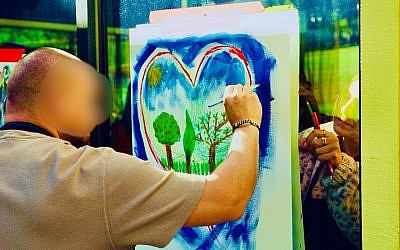
I knew I had a method that could hold them.
I knew the RISE Journal would give them a safe, step-by-step process to unfold what war had sealed shut —
a new language for what had no words,
a structured way to regulate,
to make meaning,
to gain the inner resources they needed to begin rebuilding after so much trauma.
The work in Israel laid the groundwork — quiet, steady, body-first healing.
California: A Different Kind of Quiet
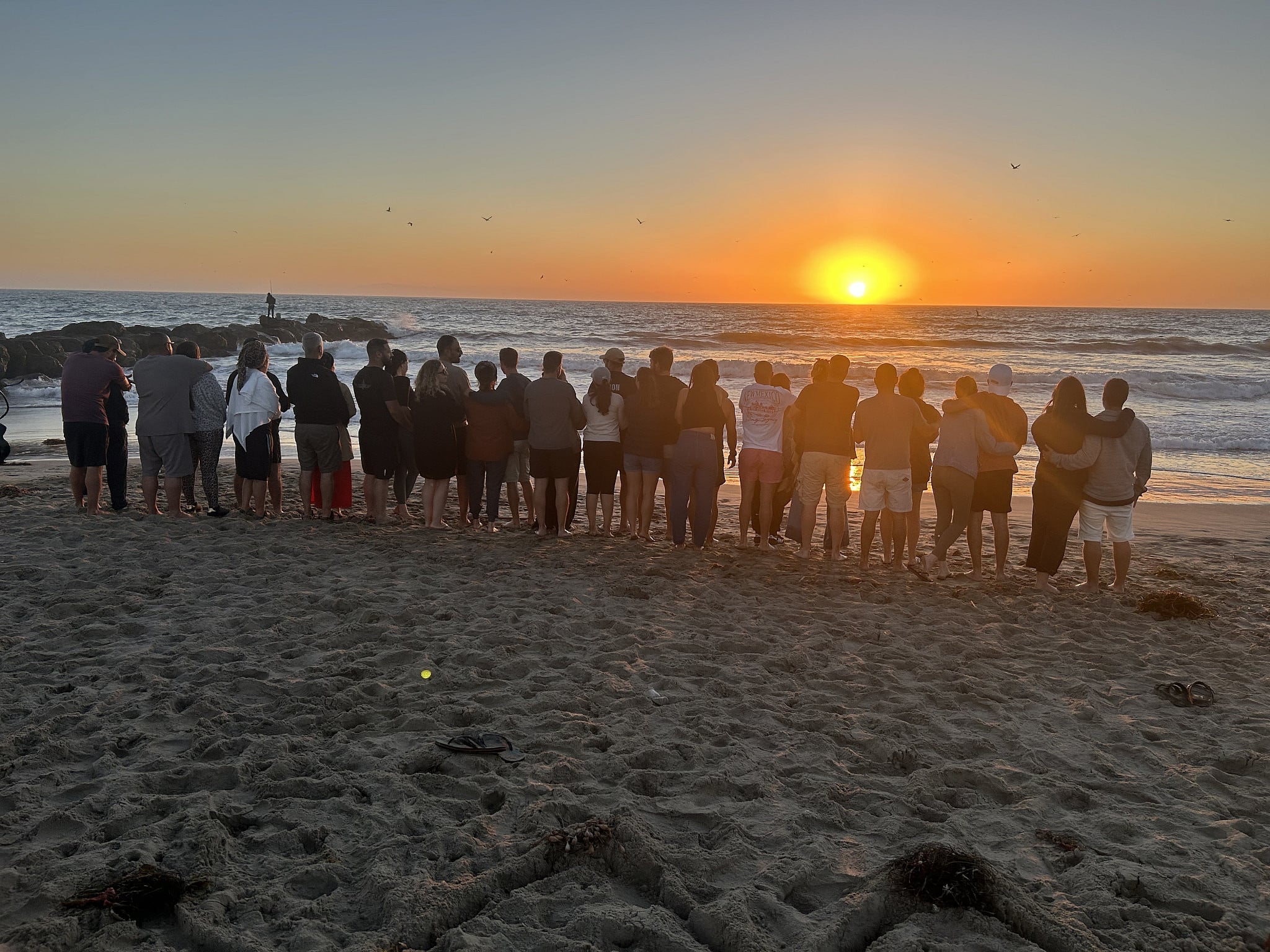
Midway through the year, we flew to California.
Not for a break.
For a reset.
Orot Healing held us as a true community, and Camp Ramah — home to generations of Jewish campers, and ironically the same place I once spent summers as a child — wrapped itself around these couples like a familiar embrace.
It became a space where they could arrive exactly as they were, far enough from home for the noise to finally fall away.
Slowly, the quiet started to work on them.
No buzzing phones.
No sudden orders.
No sirens.
No holding everything together.
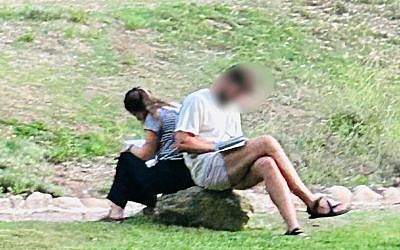
Just two people
and time.
A rare luxury in a year shaped by war.
The Moment Something Shifted
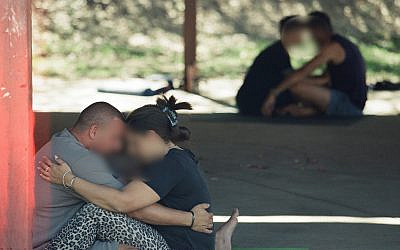
One morning, we sat outside in a loose circle.
Warm air on our skin.
Soft light edging into the day.
A husband — one of the quietest men — turned to his wife and looked at her like he hadn’t seen her in months.
Maybe years.
“I didn’t realize,” he murmured,
“how long it’s been since I’ve actually seen you.”
Her eyes filled.
Not with hurt.
With recognition.
Healing doesn’t arrive with fireworks.
It arrives with a look.
That week, I saw tiny shifts everywhere:
Two hands brushing instead of drifting apart.
A journal page filling with words that had waited months.
A laugh that sounded like the person they used to be.
A breath shared between two people finally safe enough to feel again.
And slowly, a new awareness settled over them —
the courage to pause,
to truly see each other,
to stay open even when it felt risky,
to let trust, bit by bit, find its way back,
and to notice the moment before the body slips into “war mode,”
choosing awareness over automatic defense.
Back Home: Where the Real Work Happened
California didn’t fix what war had fractured —
but it began something.
The real work happened quietly, back in Israel:
A pause instead of an explosion.
A softer tone.
A sentence written instead of swallowed.
A one-minute check-in that became a lifeline.
An exhale that didn’t end in guilt.
And they returned home not empty-handed —
but with a method.
A structure.
Tools for regulation, communication, and emotional processing.
Tools they can use for the rest of their lives,
because the work of healing from war isn’t a week,
or a year —
it is a lifelong unfolding.
What I Carry From This Year…
When I look back, I don’t see overnight transformations.
I see something far more real:
the first shifts toward healing,
the slow mending of what war tried to break.
A couple standing closer than before.
A home no longer shaped like a battlefield.
A father holding his child without rushing.
A mother finally exhaling.
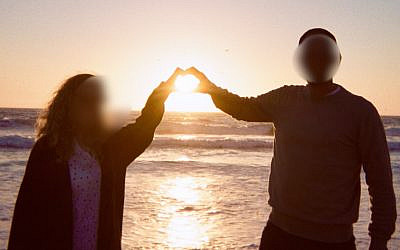
Two people choosing each other gently, again.
And on the final night, one participant said something that stayed with me:
“We came here because we needed a break, because we were in such need of help — to breathe again. We have deep wounds in us. We saw things no one should see. And yet we came open.
We were held by a community and a clinical team we felt 24/7. We will take the strength we got here and go back home to rebuild, to feel safe again, and reconnect with our family.”
This —
this quiet reclaiming of life,
of breath,
of connection —
is why this journey exists.
Even after war, love can find its way back.
Sometimes slowly.
Sometimes quietly.
But it can.
And maybe that is what I’ll remember most —
not the missions,
not the wounds,
but the simple truth that the men who went into Gaza as soldiers
came back here as husbands,
as fathers,
as partners trying to rebuild.
And the women beside them —
the quiet warriors of the home —
Finally had someone returning to meet them.
This is where healing begins.
This is where families rise again.
—
This journey was made possible through the partnership of Orot Healing and the Duvdevan Foundation, and through the incredible clinical team of Art Sense, whose dedication to the well–being of soldiers and their families created the space for this year of healing. I am deeply grateful for their trust, their vision, and their commitment to rebuilding lives after war.