UNESCO’s Hidden Shame: Hungary’s Stolen Jewish Art
Two of Hungary’s UNESCO World Heritage Sites and their associated institutions are directly implicated in this plunder:
- Buda Castle District (UNESCO since 1987)
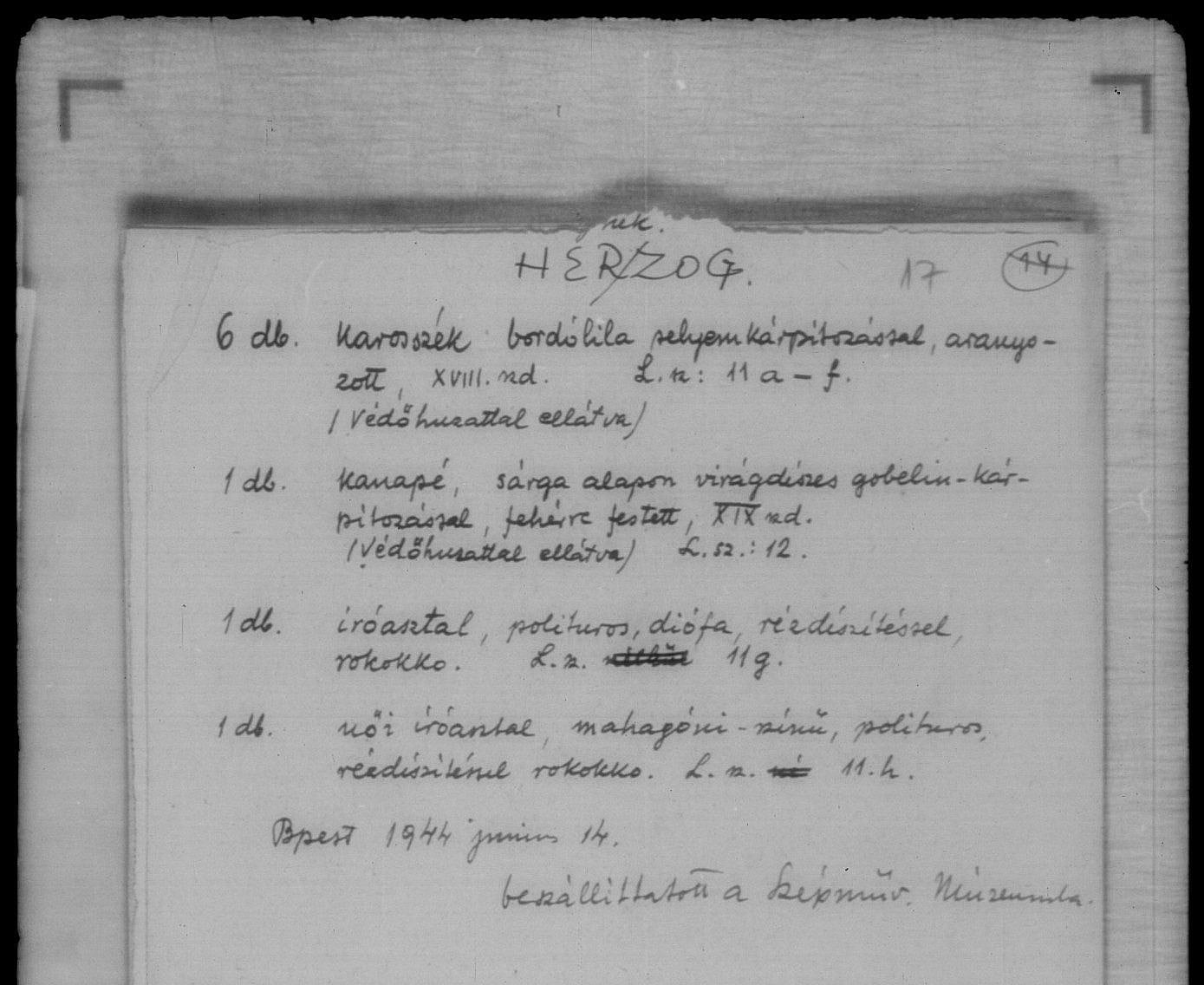
Home to the Hungarian National Gallery and former government ministries, the Buda Castle District was a hub for decision-makers who orchestrated the looting. Inventories from Reel 145 document artworks by Munkácsy, Cranach, and van Dyck cataloged by museum employees based here, including the Herzog collection’s Virgin Mary with Child (14th-century French, Reel 145). The district’s role as an administrative center facilitated the transfer of looted art to the nearby Szépművészeti Múzeum, which integrated these works into its collections, often obscuring their Jewish origins. - Benedictine Archabbey of Pannonhalma (UNESCO since 1996)
Wartime records from Reel 143 identify Pannonhalma as a storage and transfer site for looted Jewish property, including crates of fine art, rare books, and Judaica. Though not a formal museum, its participation in the state-sanctioned looting network underscores its complicity. These items, seized from families like Knorr Istvánné (9,000-volume library, Reel 143), were processed under the guise of “safekeeping,” yet never returned.
The Banks of the Danube, another UNESCO site, encompasses areas near the Magyar Nemzeti Múzeum and Szépművészeti Múzeum, which received looted collections like those of Wolfner Gyula (tapestries, 3,500 pengő, Reel 143) and the Herzog family (El Greco, Munkácsy, Reel 145). Museum officials, including Dr. Dénes Csánky, documented these intakes, confirming their role in cultural erasure (Reel 143, Reel 145). These sites, now celebrated for their cultural significance, were entwined with a 1944 network that funneled stolen Jewish property into state hands, with museums relabeling artworks to conceal provenance (Reel 145).
The archives humanize the tragedy through victims’ stories:
- Herzog Family (Budapest): Their internationally renowned collection, including Jan van Goyen’s Landscape with River and Castle and a 15th-century Madonna and Child sculpture, was seized from their Andrássy út palace and sent to the Szépművészeti Múzeum (Reel 145). The family’s cultural legacy was shattered, with many items still unreturned.
- Knorr Istvánné (Gyoma): Her 9,000-volume library, rich with rare incunabula, was confiscated and transferred to the National Széchényi Library under Dr. Csánky’s orders (Reel 143). Her plea for protection was met with state appropriation.
- Dr. Emil Delmár (Budapest/Bern): His 60 art objects, exported to Switzerland in 1938, were declared “Jewish property” and seized in 1944, despite legal protests from his representative (Reel 143). This cross-border theft highlights the global reach of Hungary’s plunder.
Clara Garbon-Radnoti, a Holocaust survivor who unearthed these records, captures the emotional toll: “They stole the soul of our culture.” Her testimony, echoed in HARI’s Times of Israel articles (July 2025), underscores the urgent need for restitution to restore dignity to victims’ descendants.
HARI calls on UNESCO and the international community to demand:
- Full Transparency: Hungarian museums, especially those linked to UNESCO sites, must publish provenance records for all artworks acquired in 1944 (Reel 143, Reel 145).
- Independent Audit: An international body should audit collections at the Szépművészeti Múzeum, Magyar Nemzeti Múzeum, and Pannonhalma Archabbey to identify looted assets.
- Public Acknowledgment: UNESCO must recognize the complicity of its designated sites and pressure Hungary to address this historical injustice.
To ignore these crimes is to abandon UNESCO’s core ideals of preserving cultural memory and human dignity. HARI urges readers to visit www.HolocaustArtRecovery.org, contact Hungarian institutions, and support restitution efforts. As Clara Garbon-Radnoti said, “Restitution is about more than art—it’s about restoring our identity.” The time for action is now.
- Reel 143: List of museums designated to receive stolen Jewish cultural property.
- Reel 145: Detailed inventory of looted artwork from Jewish families, including Herzog and Sváb collections.
- Reel 144: Museum of Fine Arts Budapest confirms receipt of paintings from Jewish victim Strauss Pál.
- Reel 145, Slide 107: Signature of Dr. Dénes Csánky authorizing the transport of looted property.
- UNESCO World Heritage Centre, “Hungary,” accessed August 2025.
Website: www.HolocaustArtRecovery.org
Archive Access: hfilms.holocaustcenter.org