
When Kindness Becomes a Commandment
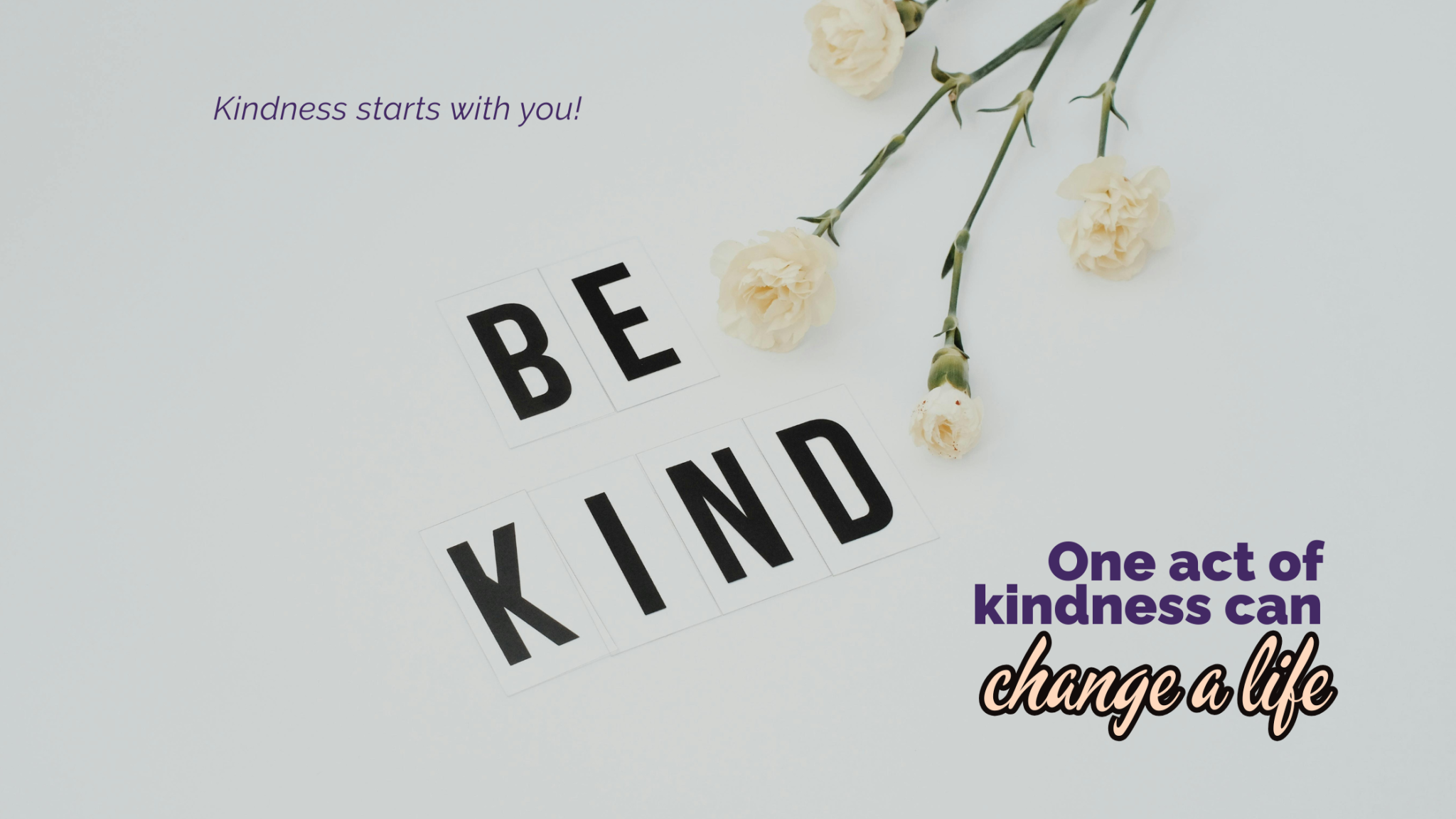
I have been thinking a lot lately about kindness—or, more honestly, the lack of it. We live in a world where people are quick to judge, criticize, and tell others what they should be doing. We see it every day, especially on social media. People can be cruel from behind a screen without ever stopping to think about the human being reading their words.
We say that kindness is free, and it is. But that does not mean it is always easy. Real kindness requires something from us. It requires us to pay attention. It asks us to step outside of ourselves long enough to notice that another person may be struggling. It means following through, reaching out, speaking up, and sometimes showing up when it is inconvenient.
Kindness is not simply telling someone that you appreciate them. It is showing them. It is action. This week’s Torah portion, Ki Teitzei, contains 74 commandments—more than any other Torah portion. Among them are commandments to return lost items, pay workers on time, prevent avoidable harm, treat people fairly, and protect the vulnerable.
There is a great deal contained within this parsha, but the message that stays with me is simple: We are responsible for how we treat one another. Not just when it is easy. Not just when other people are watching. Not just when we will receive something in return.
Somewhere along the way, it feels as though kindness has become conditional. People support others when it benefits them. They show up when they receive recognition. They offer help when it is convenient or when everyone will know they offered it.
That is not the kind of kindness our world desperately needs. The world needs the quiet kind. The message sent privately to someone who has gone silent. The phone call made without being asked. The meal dropped off without expecting a public thank-you. The decision to support a small business, nonprofit, artist, or friend instead of simply saying, “You’re doing wonderful work.” The willingness to sit beside someone whose pain we cannot fix. The choice to believe that another person’s experience is real, even when we do not completely understand it.
I have spent much of my life working with people during meaningful and vulnerable moments. As a photographer, I have met people who smiled for the camera while carrying unimaginable grief. As a wedding officiant, I have stood with couples whose love was questioned or rejected by people who should have supported them. Through my nonprofit work, I have met people living with cancer, loss, uncertainty, and fear.
I have also been the person telling everyone that I am okay because it was easier than explaining everything I was carrying. Perhaps that is why I believe so strongly in the importance of small acts of kindness. We never truly know what another person is facing. The person who did not return your call may be overwhelmed. The friend who stopped showing up may be using all their energy simply to survive the day. The business owner who seems discouraged may have spent years giving to a community that rarely gives anything back. The person who says, “I’m fine,” may be hoping someone will care enough to ask again.
Kindness does not require us to have the perfect words. Most people are not asking us to solve their problems. They simply want to know that they have not become invisible. Yet we have become very good at scrolling past pain. We see someone struggling and assume somebody else will reach out. We think about calling, but become distracted. We intend to help, but never follow through. We offer words of encouragement without considering whether our actions match those words.
Then, when tragedy occurs, everyone suddenly talks about kindness. Why do we wait? Why do we wait until someone is gone to speak about how much they mattered? Why do we wait until a person reaches a breaking point before asking whether they need help? Why do we wait until a business or nonprofit closes before saying how important its work was to the community? Why do we wait until kindness becomes a memorial instead of making it part of how we live?
Kindness should not be something we save for after the damage has been done. It needs to happen now.
Ki Teitzei reminds us that caring for others is not merely a nice idea. The Torah turns it into a responsibility. We are told to return what has been lost, protect others from harm, honor people’s work, and treat the vulnerable with dignity.
People lose more than possessions. They lose confidence. They lose hope. They lose their sense of belonging. They lose faith that anyone truly cares. We may not be able to restore everything someone has lost. But we can make sure that our words, our silence, and our actions do not add to that loss.
We are living in a world that feels increasingly divided, angry, and unkind. We cannot control everything happening around us, but we can control what we contribute to it.
We can choose not to join in cruelty.
We can choose to pause before commenting.
We can choose to reach out when someone crosses our mind.
We can choose to support people through our actions, not just our words.
We can choose to remind another human being that they matter.
Kindness will not fix every problem in the world. But it may change someone’s world, even if only for a moment. Maybe that is why kindness sometimes needs to become a commandment. Because when the world becomes too busy, too loud, or too consumed with itself to remember, we need to be reminded: Do not look away. Do not wait for someone else. Do not assume there will always be another opportunity.
Be kind now.